0
0

 English
 Español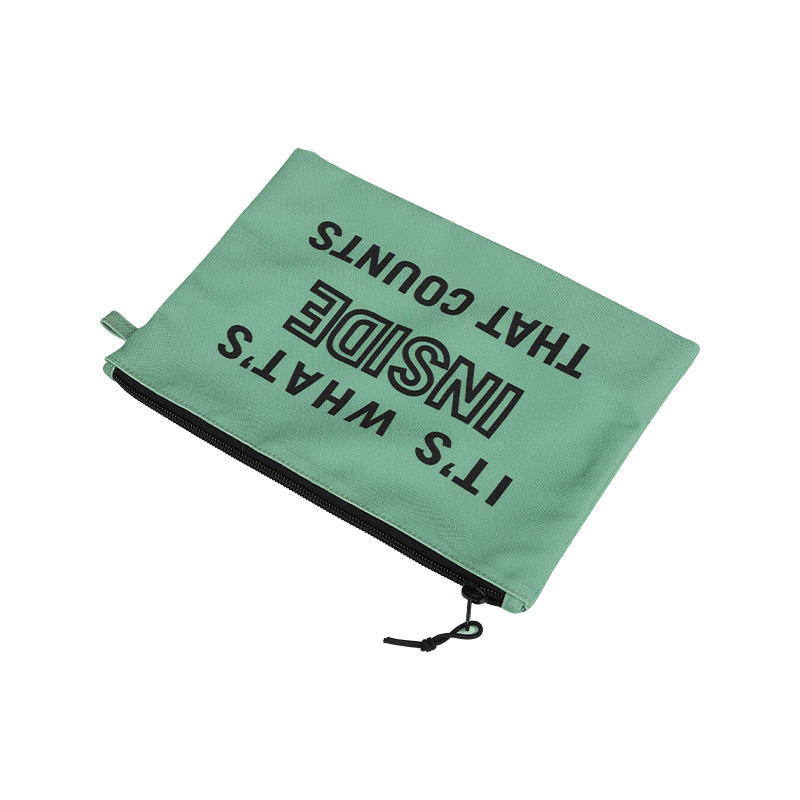
Cosmetic bags provide a convenient way to keep makeup, brushes, and personal care products together in one place. These small pouches and cases appear in bathrooms, handbags, and suitcases around the world. People use them to separate items from other belongings and to locate what they need without searching through larger bags. The design of cosmetic bags focuses on practicality, with features that support daily routines and short trips.
Materials Commonly Found in Cosmetic Bags
Manufacturers select a range of fabrics and materials when producing cosmetic bags. Polyester and nylon rank among frequent choices because they offer lightweight construction and resistance to moisture. Cotton canvas gives a textured feel and works well for printed designs. Some versions use PU or coated fabrics that create a smoother surface and help contain spills inside the bag.
Lining fabrics, often made from polyester or similar synthetics, cover the interior to protect contents and allow for easy wiping. Zippers, usually made of plastic or metal teeth with fabric tape, serve as the main closure on many models. Hardware such as pulls and sliders adds to the function while keeping the overall weight low. In certain designs, clear vinyl or mesh panels let users see the contents without opening the bag fully.
Production teams source these materials in rolls or sheets and prepare them according to patterns developed for different sizes and styles. The combination of outer fabric, lining, and interfacing creates structure while maintaining flexibility for folding or packing. Variations in thickness and coating influence how the finished cosmetic bags handle repeated opening and closing.
How Cosmetic Bags Take Shape During Production
The manufacturing process for cosmetic bags begins with cutting the selected fabrics according to prepared patterns. Workers or machines cut pieces for the front, back, sides, and bottom, along with corresponding lining sections. Interfacing or stabilizer layers get fused or attached to some panels to add body without making the bag too rigid.
Sewing comes next, where seams join the outer pieces and the lining separately. Pockets or compartments are often sewn onto the lining before the two layers combine. This step allows for divided spaces that hold smaller items like lipsticks or brushes in place. Zippers are inserted along the top edge, with careful alignment to ensure smooth operation once the bag is complete.
Everyday Roles and Features of Cosmetic Bags
Cosmetic bags fit into various parts of daily life. At home, they sit on vanities or inside drawers to keep makeup collections neat. During travel, they slide into carry-on luggage or toiletry kits, helping users stay organized at hotels or campsites. The compact size means they occupy little space while still holding multiple tubes, compacts, and tools.
Many designs include interior pockets or loops that separate brushes from powders and creams. Clear sections on some models allow quick viewing of contents, reducing the time spent rummaging. Flat or boxy shapes offer different capacities, with some providing more volume for weekend trips and others staying slim for everyday handbags.
Users often choose cosmetic bags based on how well the closure secures items and how easily the bag wipes clean after use. The variety in colors, prints, and simple patterns lets them match personal style or coordinate with other accessories. From basic zip pouches to styles with multiple compartments, cosmetic bags continue to support routines by keeping beauty essentials contained and accessible.