0
0

 English
 Español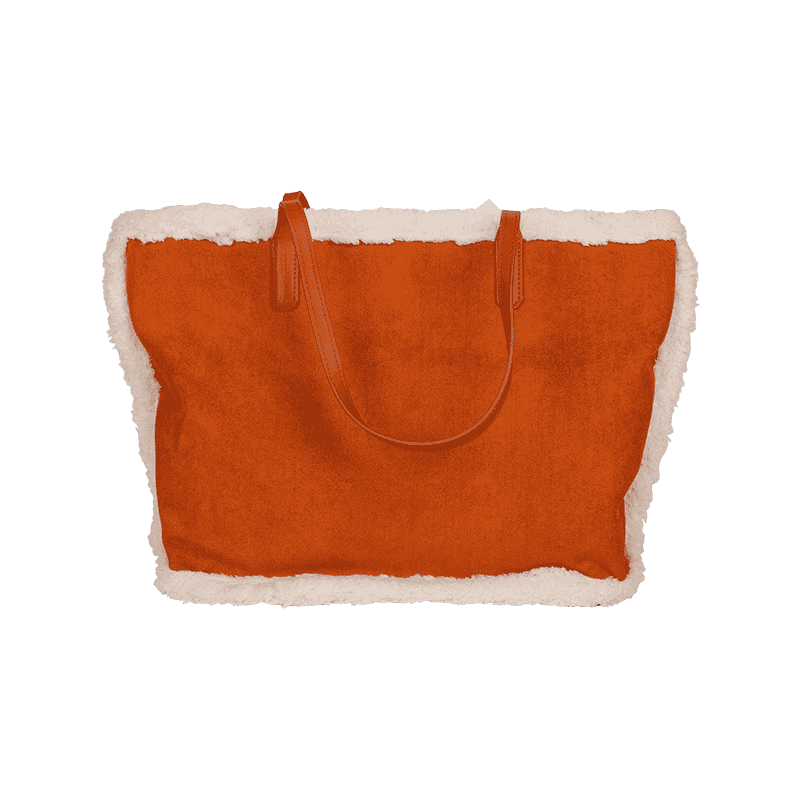
Product Design and Everyday Functionality
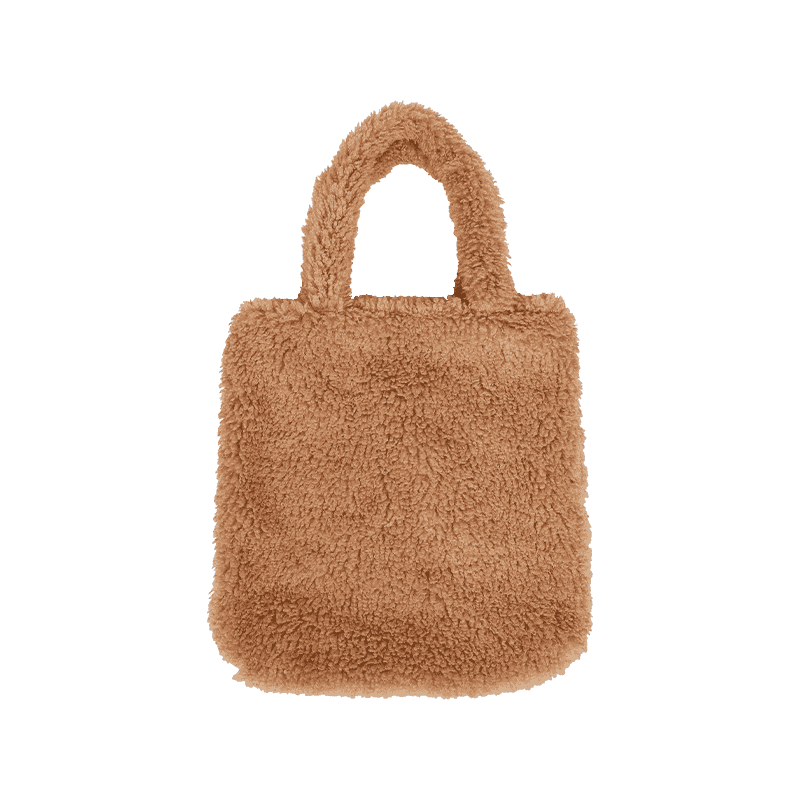
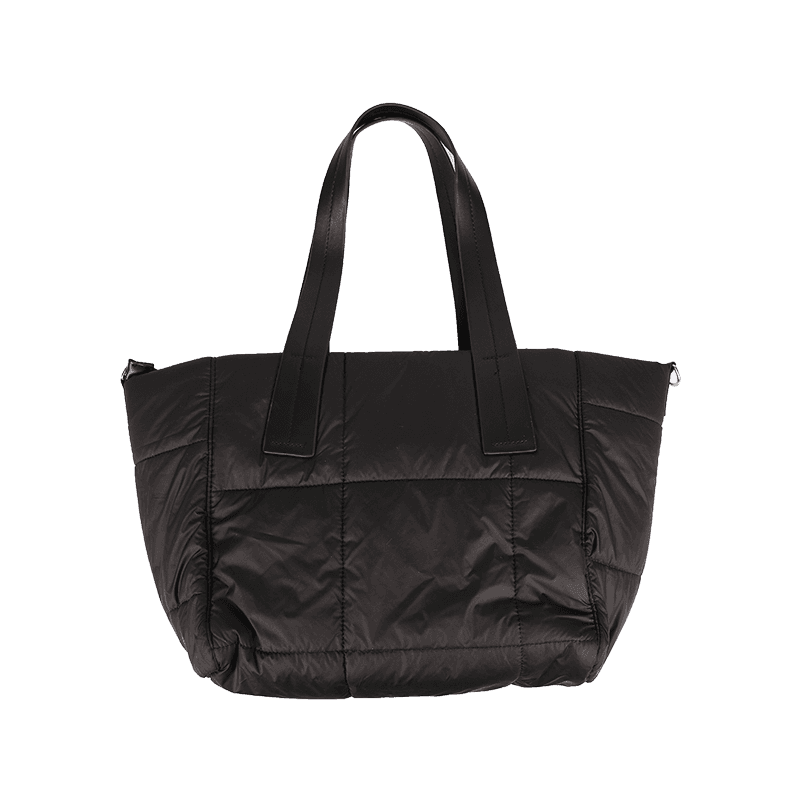
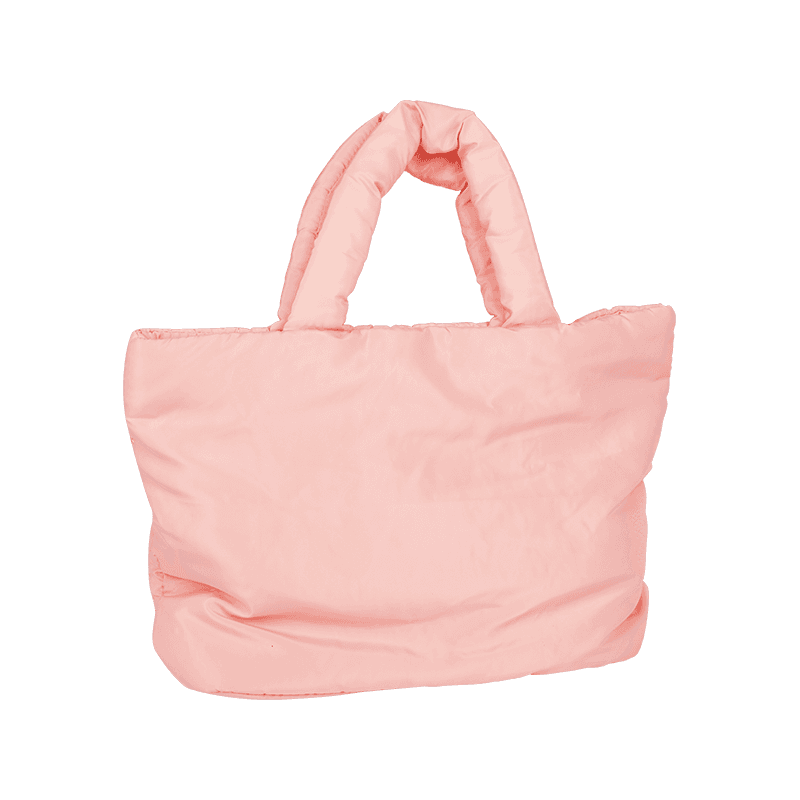
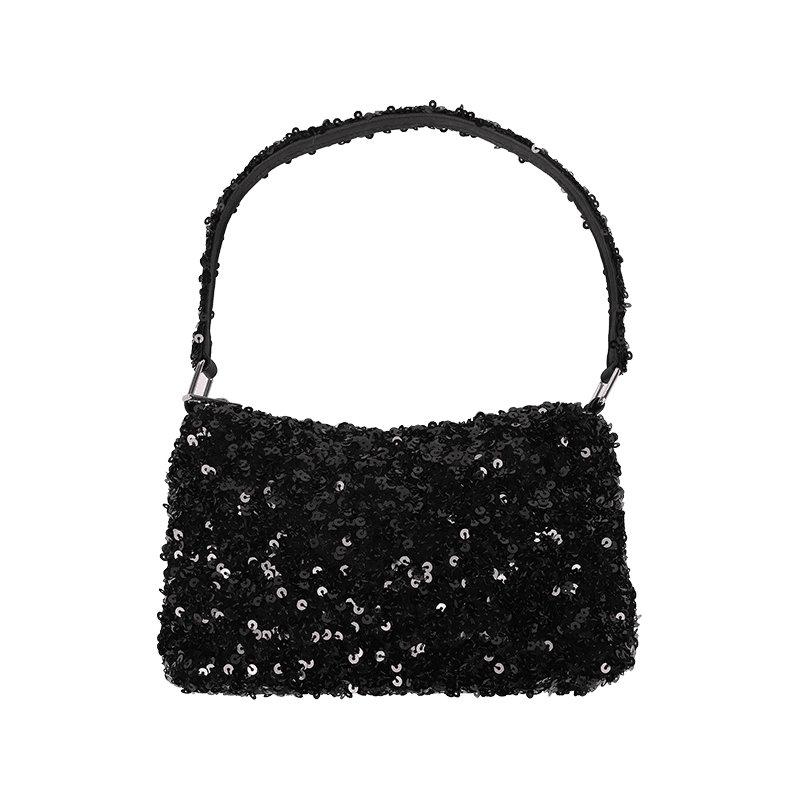
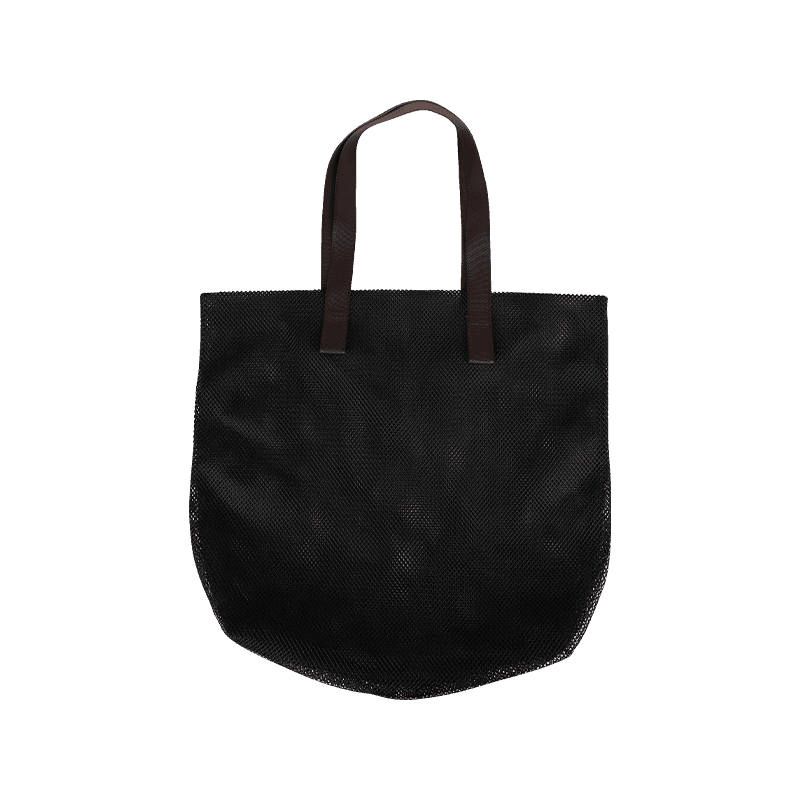
Custom tote bags have become a familiar item in daily life, appearing in shopping trips, office settings, and casual outings. Companies involved in this category focus on combining functionality with visual identity, creating bags that serve both as practical carriers and as a medium for expression. The open-top structure and spacious interior make tote bags suitable for carrying a variety of items, from books and groceries to personal belongings used throughout the day.
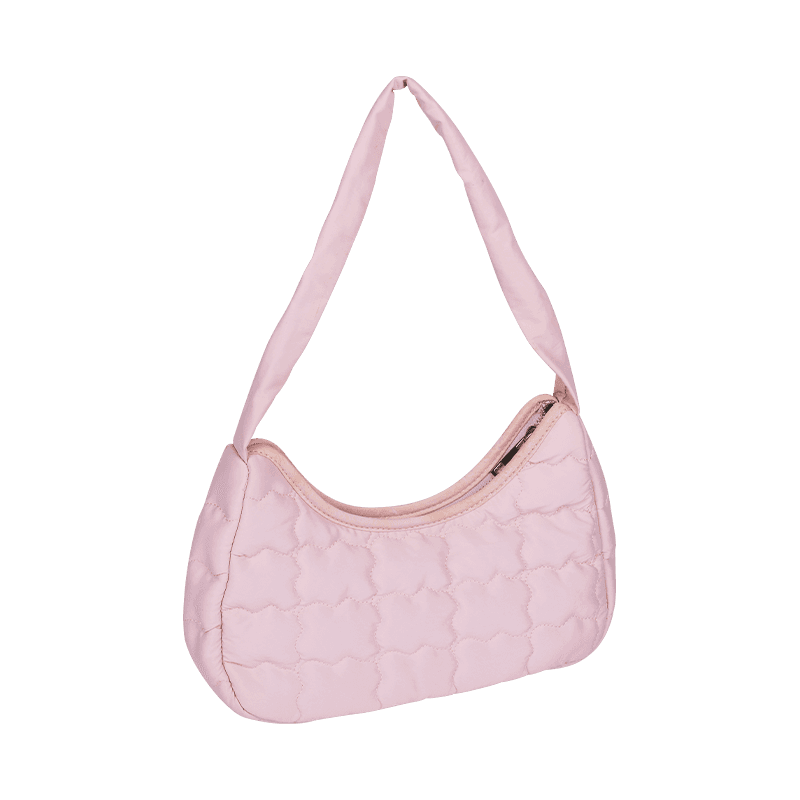
Design flexibility is a defining characteristic of custom tote bags. Manufacturers offer a wide range of sizes, handle lengths, and shapes to suit different use cases. Some designs feature reinforced bottoms for added support, while others include internal pockets or zippered compartments for better organization. Handle construction also varies, with options such as short hand-carry straps or longer shoulder straps that allow for hands-free use. These variations help companies address diverse user preferences without altering the fundamental simplicity of the tote bag.
Visual customization plays a central role in product appeal. Businesses, organizations, and individuals often use tote bags as a platform for logos, slogans, or artwork. This ability to personalize the product adds value beyond its basic function, turning it into a tool for communication and identity. Color selection, print placement, and typography all contribute to the final appearance, allowing each tote bag to reflect a specific theme or purpose.
Materials and Production Techniques
Material selection influences both the appearance and durability of custom tote bags. Common fabrics include cotton canvas, non-woven polypropylene, and polyester blends. Canvas is widely used due to its sturdy texture and ability to hold printed designs clearly. Non-woven materials offer a lightweight alternative, while polyester provides flexibility and resistance to stretching. Each material is chosen based on the intended use and desired aesthetic.
The production process begins with fabric cutting, where large rolls of material are shaped into panels using automated cutting machines or manual templates. Precision at this stage ensures consistency in size and alignment. Once cut, panels move to sewing stations where they are assembled into the familiar tote structure. Stitching techniques vary depending on the load requirements, with reinforced seams applied to stress points such as handles and bottom corners.
Printing and decoration processes are a key part of customization. Screen printing is commonly used for bold, solid-color designs, while digital printing allows for more detailed graphics and gradients. Heat transfer methods may also be applied for certain types of artwork. Each technique requires careful alignment to ensure that the design appears correctly on the finished bag. The choice of printing method often depends on factors such as order quantity, design complexity, and material compatibility.
After printing, the bags undergo finishing steps that may include trimming excess threads, inspecting seams, and attaching labels or tags. These final touches contribute to the overall presentation and usability of the product. Quality checks are integrated throughout the production process to ensure that each bag meets design and construction standards.
Conclusion
The adaptability of custom tote bags contributes to their continued presence across different industries and lifestyles. Using straightforward construction and flexible design options, these bags offer a practical solution to carry items and also serve as a medium of communication. Companies continue to refine materials, production techniques, and customization processes, ensuring that custom tote bags remain relevant in a wide range of applications without unnecessary complexity.