0
0

 English
 Español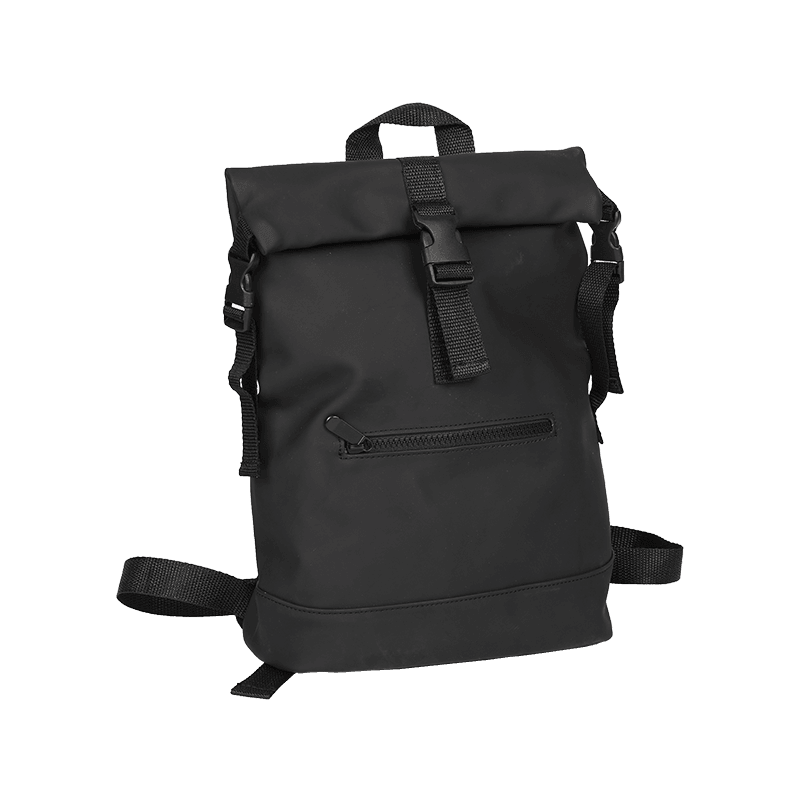
Quality backpacks continue to attract attention across retail markets and manufacturing sectors, reflecting changing expectations around daily carry solutions. Companies involved in this category focus on combining durability, organization, and comfort, creating products that suit a wide range of activities including commuting, travel, and outdoor use.
Material selection plays a central role in the development of quality backpacks. Common fabrics include nylon, polyester, and canvas, each offering different characteristics in terms of weight, texture, and resistance to wear. High-density weaves are often chosen to improve strength, while coatings may be applied to enhance surface performance. Zippers, buckles, and straps are also carefully selected, as these components influence the overall reliability of the product. Reinforced stitching at stress points ensures that the backpack can handle repeated use without structural issues.
The manufacturing process begins with pattern design, where each panel of the backpack is mapped out to maximize material efficiency. Computer-aided cutting machines are frequently used to achieve precise shapes, reducing inconsistencies between units. Once cut, fabric pieces move to sewing stations where skilled workers or automated systems assemble them into the final structure. Stitching techniques vary depending on the area of the bag, with double or reinforced seams applied to sections that experience higher tension.
Internal organization is another important aspect of quality backpack design. Companies often incorporate multiple compartments, padded sleeves, and secure pockets to accommodate items such as laptops, documents, and personal belongings. The arrangement of these compartments is carefully planned to balance accessibility and weight distribution. Adjustable straps and padded back panels contribute to user comfort, allowing the backpack to adapt to different body types and carrying preferences.
Assembly lines bring together all components, including fabric panels, hardware, and padding elements. During this stage, attention is given to alignment and consistency, ensuring that each backpack meets design specifications. Quality checks are integrated into the workflow, including inspections of stitching accuracy, zipper functionality, and strap attachment. Load testing may also be conducted to verify that the bag can support typical carrying weights without deformation.
Companies producing quality backpacks often differentiate themselves through design details and brand identity. Some focus on minimalist aesthetics, offering clean lines and neutral colors suitable for professional settings. Others introduce bold patterns or unique textures, appealing to customers who view backpacks as a form of personal expression. This variety allows brands to target different segments of the market while maintaining a consistent approach to construction and materials.
Market competition has encouraged continuous refinement in both design and manufacturing processes. Companies monitor user feedback to identify areas for improvement, such as strap comfort, compartment layout, or ease of access. Small adjustments based on these insights contribute to ongoing product development, helping brands remain relevant in a crowded marketplace. These refinements often focus on practical enhancements rather than dramatic changes, ensuring that the core functionality of the backpack remains consistent.
Quality backpacks are used in a wide range of settings, from daily commutes to extended travel. Students rely on them to carry books and devices, professionals use them for work-related items, and travelers depend on them for organized packing. This versatility highlights the importance of thoughtful design and reliable construction, as the same product may be used in multiple contexts throughout its lifespan.