0
0

 English
 Español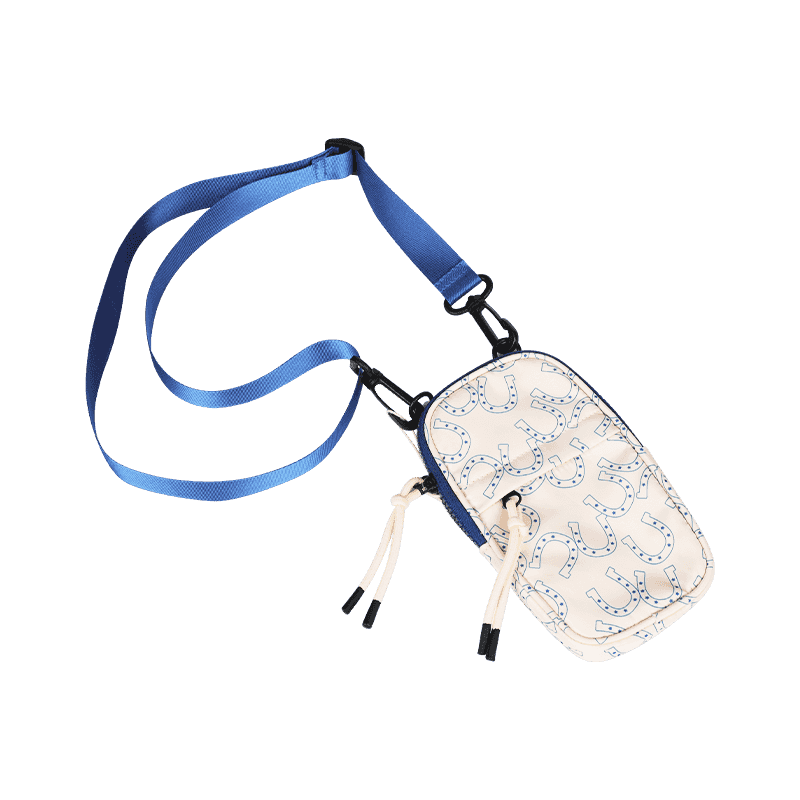
Picking Materials That Can Keep Up With You
Travel crossbody bags have become an essential choice for individuals who seek both convenience and practicality while moving through urban spaces, airports, or outdoor locations. The design process begins with careful planning, focusing on size, shape, weight distribution, and compartmentalization. Manufacturers analyze common travel needs, such as carrying documents, gadgets, wallets, and small personal items, to determine pocket placement and bag dimensions. Ergonomic considerations, including strap length, padding, and overall weight, are key factors in ensuring comfort during extended use.
Materials play a crucial role in the construction of travel crossbody bags. Fabrics like nylon, polyester, and canvas are commonly chosen for their balance of durability and light weight. Leather and synthetic leather are also used to add texture, visual appeal, and additional strength. Each material undergoes inspection to ensure resistance to tearing, stretching, and abrasion. Reinforced stitching and strong fasteners are integrated into bag panels to withstand daily handling and frequent opening and closing. High-quality zippers, buckles, and magnetic clasps are installed with precision to guarantee smooth operation and secure storage for users.
How They’re Built: From Fabrics to Finished Bag
The manufacturing of travel crossbody bags involves a combination of automated machinery and skilled craftsmanship. Cutting machines prepare fabric panels according to precise patterns derived from computer-aided design files. Multiple layers may be assembled to include compartments, linings, and reinforcements. Sewing machines and specialized stitching techniques join the panels, ensuring uniform tension and durability. In some models, laser-cut details or embossed logos are added to enhance aesthetics and brand identity.
Assembly continues with the integration of hardware components. Straps, handles, buckles, and zippers are attached with attention to alignment and functional operation. Adjustable straps often include sliding mechanisms or padding to maintain balance and comfort. Certain bags include modular or removable sections to accommodate flexible use, while others incorporate hidden pockets for security and quick access.
Packing and Wearing: Why They Make Life Easier
Travel crossbody bags are designed for versatility and user convenience. One of the key advantages of a crossbody configuration is hands-free mobility, allowing travelers to move efficiently through crowded spaces or multitask while carrying essentials. Compartments are organized to separate items such as electronics, identification documents, cash, and personal effects. Some bags include specialized sleeves for laptops, tablets, or e-readers, with padding to protect devices from bumps and minor impacts.
The ergonomic design of the strap system ensures that weight is distributed evenly across the body, reducing fatigue during prolonged wear. Adjustable straps allow customization for different body types, while swivel clips and reinforced anchor points provide stability and prevent unwanted twisting. In addition, several bags incorporate lightweight yet durable materials that prevent unnecessary bulk while maintaining structural support.
Clever Tricks and Features You’ll Actually Use
Manufacturers continue to innovate in travel crossbody bag design, combining functionality, durability, and aesthetic appeal. Many models now include water-resistant linings, RFID-blocking compartments, and anti-theft features like lockable zippers or hidden pockets. Ventilation panels or breathable padding improve comfort during extended use. Modular internal dividers allow users to customize storage arrangements, supporting both casual outings and longer trips.
The versatility of travel crossbody bags extends beyond travel use. Professionals appreciate the organized compartments for daily commuting, while students use them to carry small devices and notebooks. Compact models can double as casual day bags, and expandable designs provide temporary storage for shopping or quick errands. Manufacturers continue to test designs under repeated stress, simulating typical usage to refine strap attachments, material resilience, and compartment accessibility.