0


 English
 Español

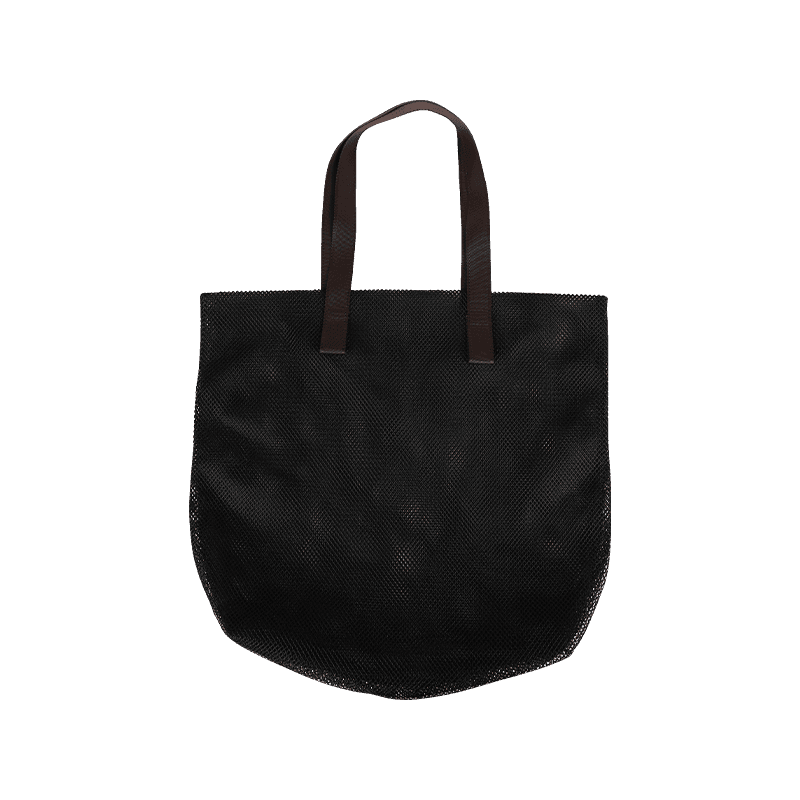
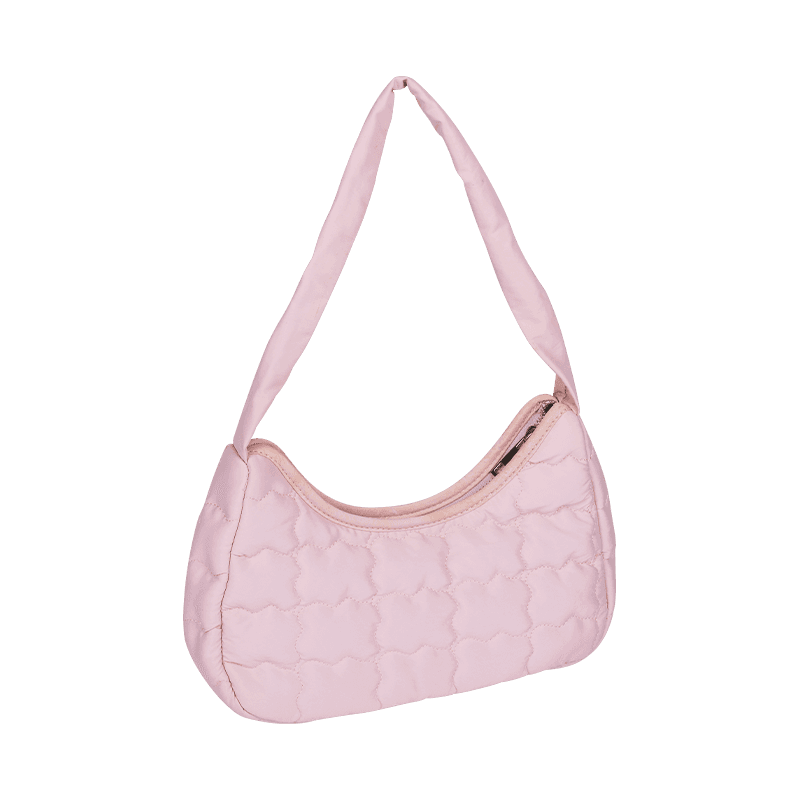
Shopping Bags serve as practical carriers for retail goods moving from store shelves to customer hands. Factories produce these bags in large volumes by converting films or paper into finished forms that meet size and strength needs of distributors. Production centers on material selection, forming methods, and printing steps that support consistent output for bulk orders. Teams focus on dimensional accuracy and load capacity that keep the bags functional across different retail settings.
Materials Selected for Shopping Bags
Plastic film forms the base for many Shopping Bags because it offers flexibility and resistance to tearing under normal loads. Polyethylene grades provide the stretch and seal strength required for side and bottom closures. Paper versions rely on kraft or similar stock that folds cleanly and holds printed designs without cracking. Additives in the film improve clarity or opacity depending on the intended use.
Suppliers deliver rolls of film or sheets of paper in specified widths and thicknesses. Production teams match these materials to the bag style so that handles and gussets form without weak points. Layer combinations in laminated films add barrier properties when contents need extra protection during transport. This material matching supports steady runs across different order specifications.
Production Steps for Shopping Bags
Film extrusion or paper converting begins the process for Shopping Bags. Machines form tubes or flat webs that pass through sealing stations to create side seams and bottom closures. Handle attachments occur through punching, reinforcing, or heat sealing depending on the design. Cutting systems separate individual bags at precise lengths to maintain uniform size.
Printing stations apply logos and product details before or after forming. Ink systems deposit colors that adhere to the surface without smudging during later handling. Finished bags stack into bundles or cartons ready for shipment. Quality checks monitor seal integrity and handle strength so each batch meets the load requirements set by retail buyers.
Design Variations in Shopping Bags
Handle styles define much of the practical difference among Shopping Bags. Die-cut handles create simple openings in the bag body for easy gripping. Soft-loop or rope handles attach separately to distribute weight more evenly. Gusseted bottoms expand the internal volume so larger items fit without strain on the seams.
Surface treatments include matte or gloss finishes that affect appearance and print quality. Some designs incorporate reinforced corners or double-layer bottoms for heavier loads. These variations adjust through changes in tooling and material thickness, allowing the same production line to switch between styles with limited downtime. The resulting range covers standard retail sizes as well as specialized formats for specific product categories.
Role of Shopping Bags in Retail Distribution
Retail chains and wholesale distributors rely on Shopping Bags to package purchases at the point of sale. Consistent sizing helps cashiers and packing stations work at a steady pace. Bulk deliveries arrive in cartons that stack efficiently in store backrooms. The bags move quickly from inventory to checkout counters as customer volume fluctuates during the day.
Coordination between bag producers and retail buyers keeps stock levels matched to seasonal demand. Clear specifications on dimensions and load ratings reduce variation between shipments. This alignment supports smooth replenishment cycles without excess inventory or shortages at individual store locations.