0
0

 English
 Español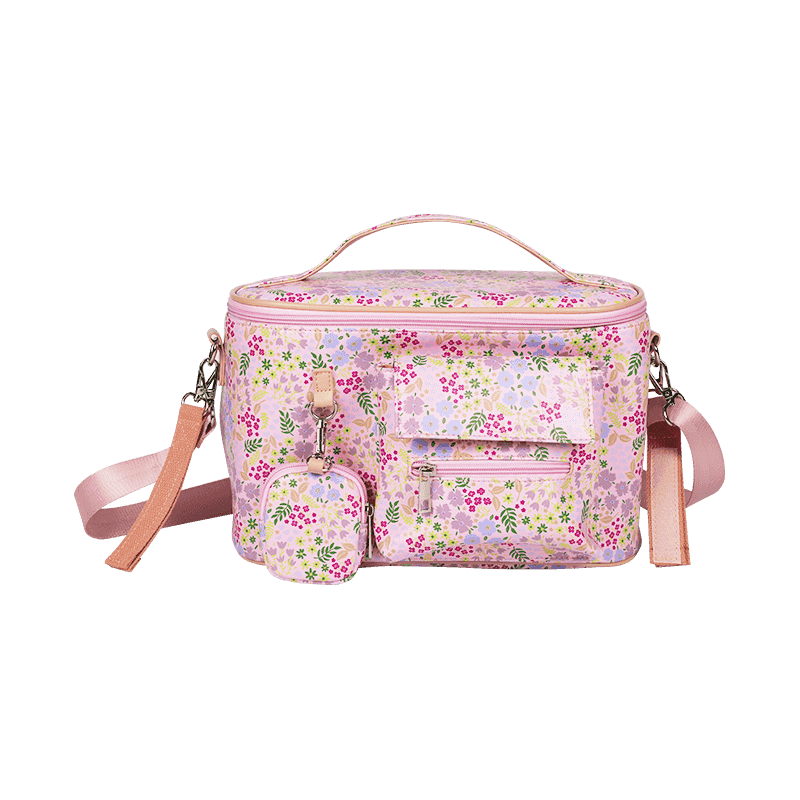
Mommy bags occupy a distinct category within the bag manufacturing industry, built specifically to handle the varied demands of carrying items for infants and young children. Unlike standard totes or backpacks, these bags need to accommodate bottles, diapers, changing supplies, and personal items all within a single structure, which shapes nearly every decision a manufacturer makes during the design process.
Inside The Construction Of Mommy Bags
The outer shell of a mommy bag typically starts with a durable fabric base, often nylon, polyester, or canvas, chosen for its resistance to daily wear and occasional spills. Manufacturers reinforce stress points like handle attachments and zipper seams with additional stitching or bar tacking, since these areas experience repeated tension as the bag gets loaded, carried, and set down throughout a typical day.
Interior linings usually differ from the outer shell material, with many producers selecting a wipeable or water-resistant fabric to handle leaks from bottles or minor spills. Seam construction along the interior also matters here, since poorly sealed seams can allow moisture to seep through to other compartments. A few structural elements commonly appear across production lines:
- Reinforced base panels to help the bag stand upright when set down
- Adjustable strap hardware to accommodate different carrying styles
- Insulated pockets sized for bottles or food containers
These construction choices work together to give mommy bags the functional resilience needed for regular use.
Mommy Bags Vary By Structure And Capacity
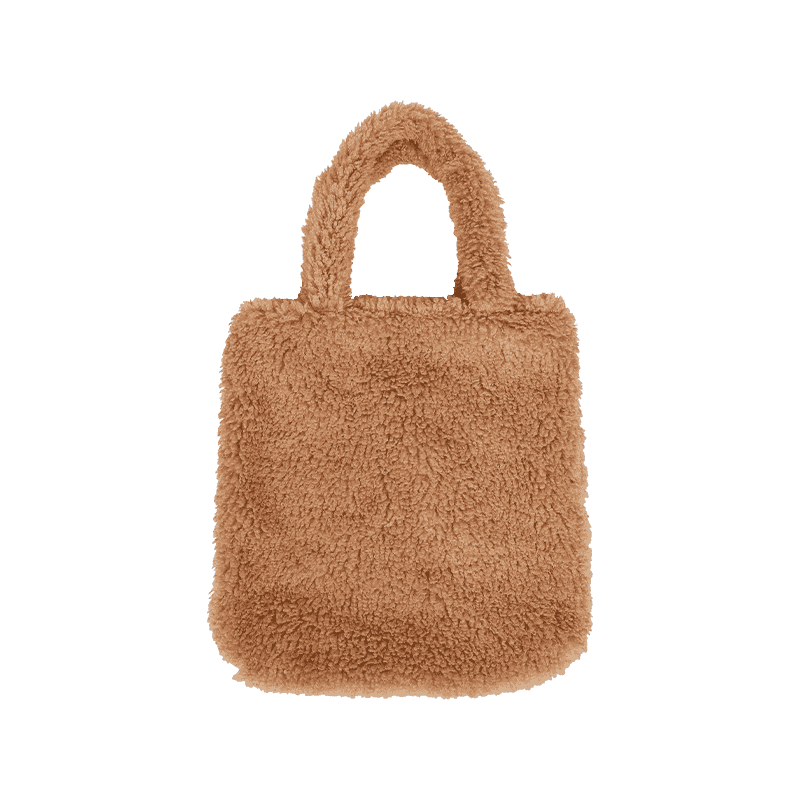
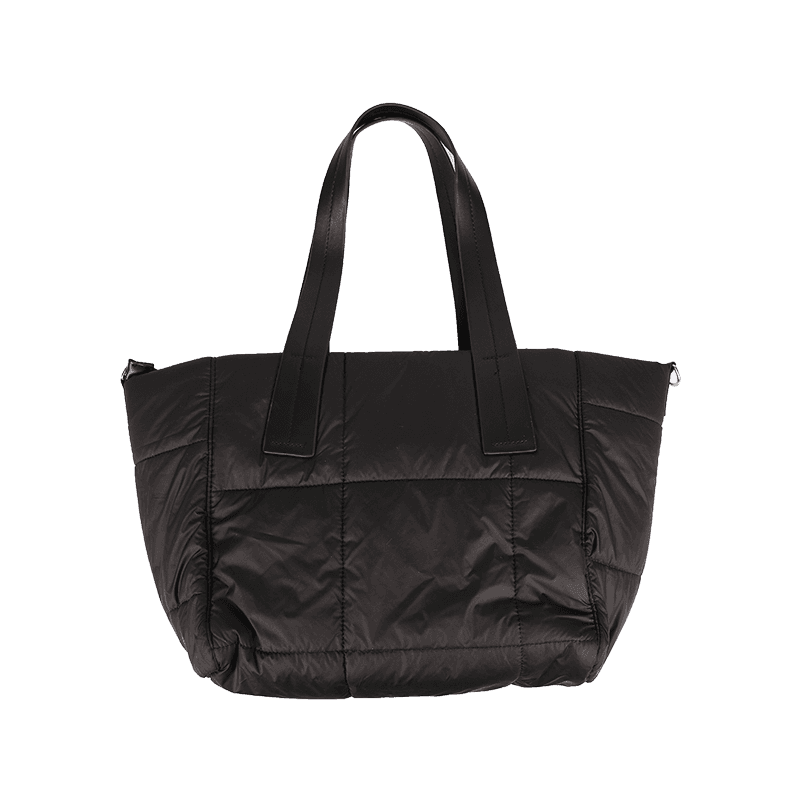
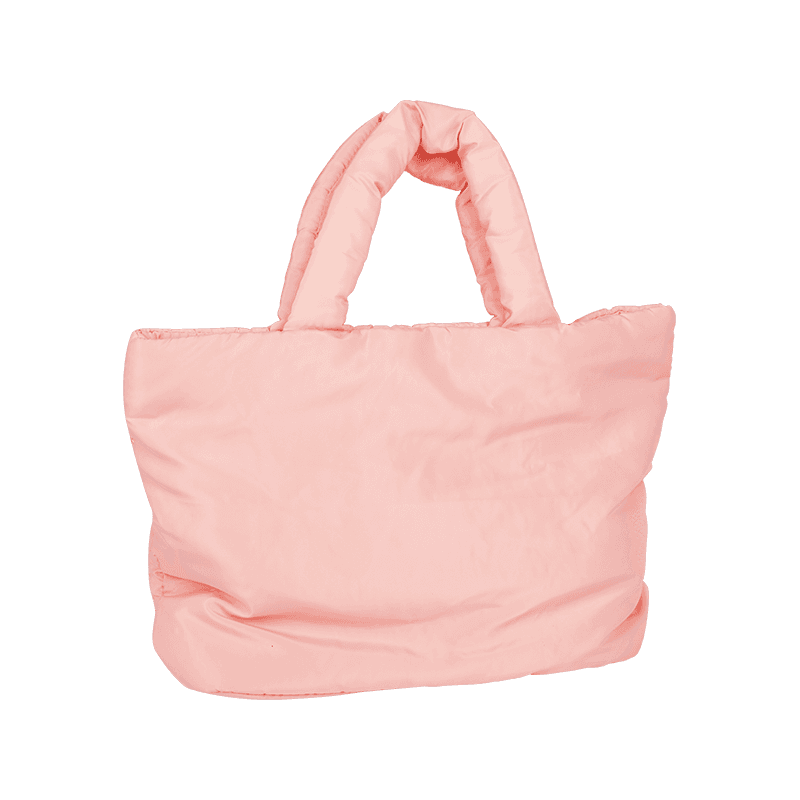
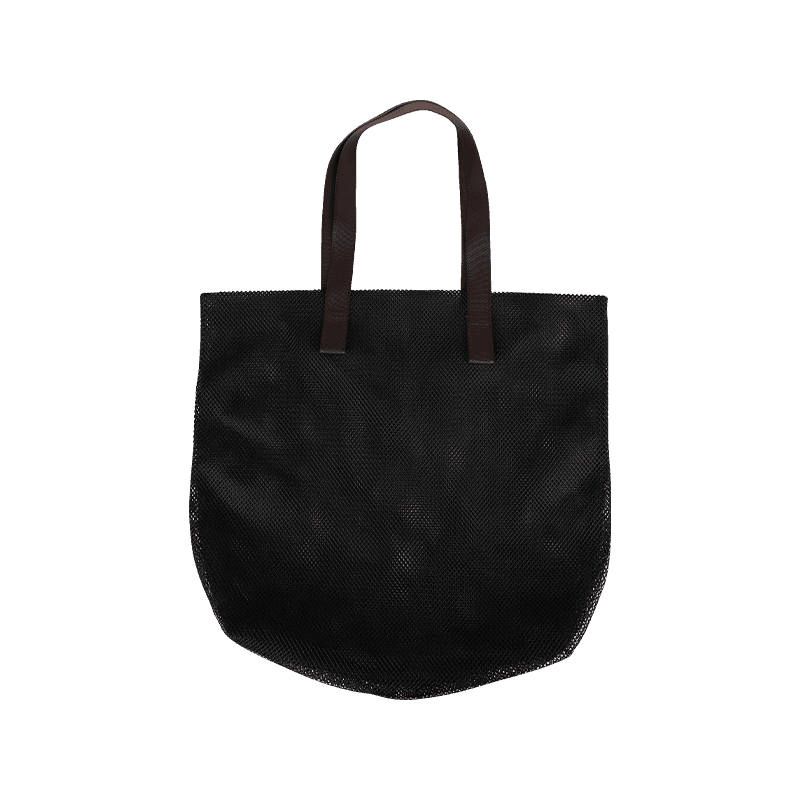
Not every mommy bag follows the same silhouette. Tote-style versions remain common for their wide opening and easy access, favored by buyers who prioritize quick retrieval over organized separation. Backpack-style mommy bags have grown popular among manufacturers targeting buyers who need hands-free carrying, particularly for use alongside strollers or when managing more than one child at a time.
Crossbody and messenger-style mommy bags offer a middle ground, providing structured compartments while keeping the profile more compact than a full-sized tote. Manufacturers producing across these different silhouettes often share core components, such as insulated bottle pockets or changing pad attachments, while adjusting the overall frame and strap configuration to fit each style's intended use case.
Understanding Compartment Layout In Mommy Bags
Compartment design inside a mommy bag typically follows a logic based on how frequently an item needs to be accessed. Diapers and wipes, used often throughout the day, tend to sit in easily reachable outer pockets, while items needed less frequently, like spare clothing or extra supplies, get placed in interior zippered sections. This layered approach helps users move through their day without unpacking the entire bag to find one item.
Manufacturers also consider how compartments interact with each other structurally, since poorly placed dividers can reduce usable space or cause the bag to lose its shape when fully loaded. Some production lines test prototype layouts with sample items before finalizing stitching patterns, adjusting pocket depth and placement based on how the bag holds up under a realistic daily load.
Mommy Bags Suit Diverse Manufacturing Standards
Buyers sourcing mommy bags for retail or private label distribution typically request variations in size, color, and compartment configuration to match their target market. Larger capacity versions suit buyers focused on extended outings, while more compact designs appeal to those prioritizing portability over storage volume. Manufacturers accommodate this range by maintaining flexible production templates that can be adjusted without reworking the entire construction process.
Production consistency across these variations depends on standardized hardware and fabric sourcing, allowing manufacturers to fulfill orders across different mommy bags configurations without introducing quality variation between batches. This adaptability supports buyers working across multiple retail channels, each with distinct preferences for size, structure, and internal organization within the bag.