0
0

 English
 Español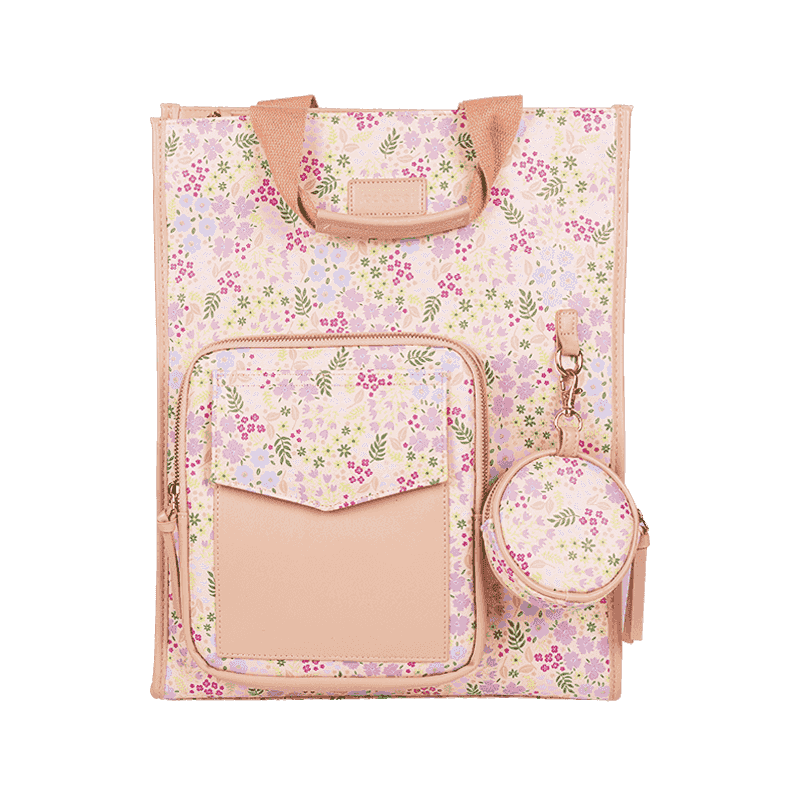
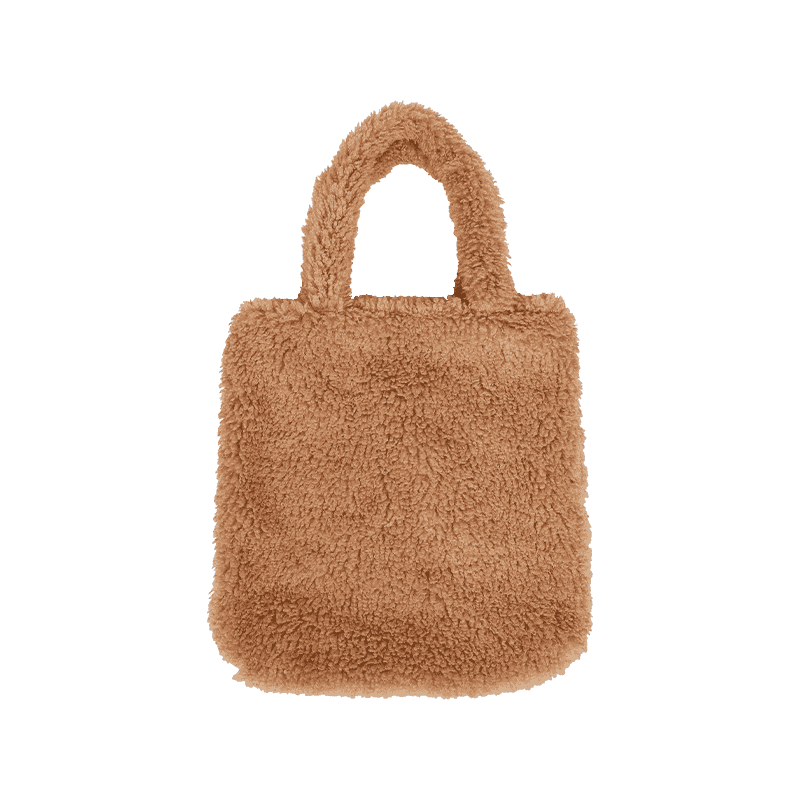
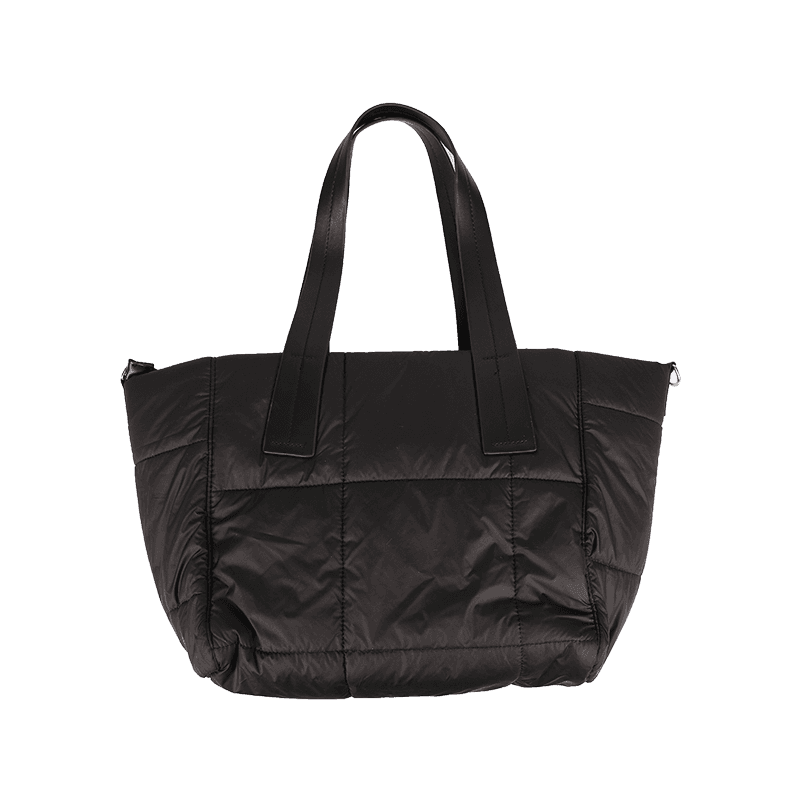
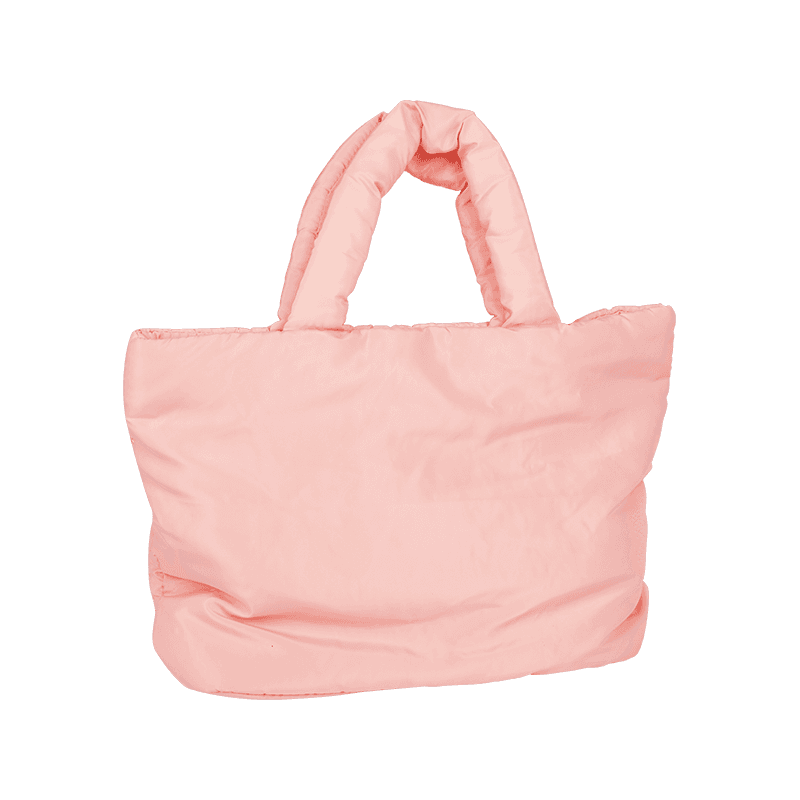
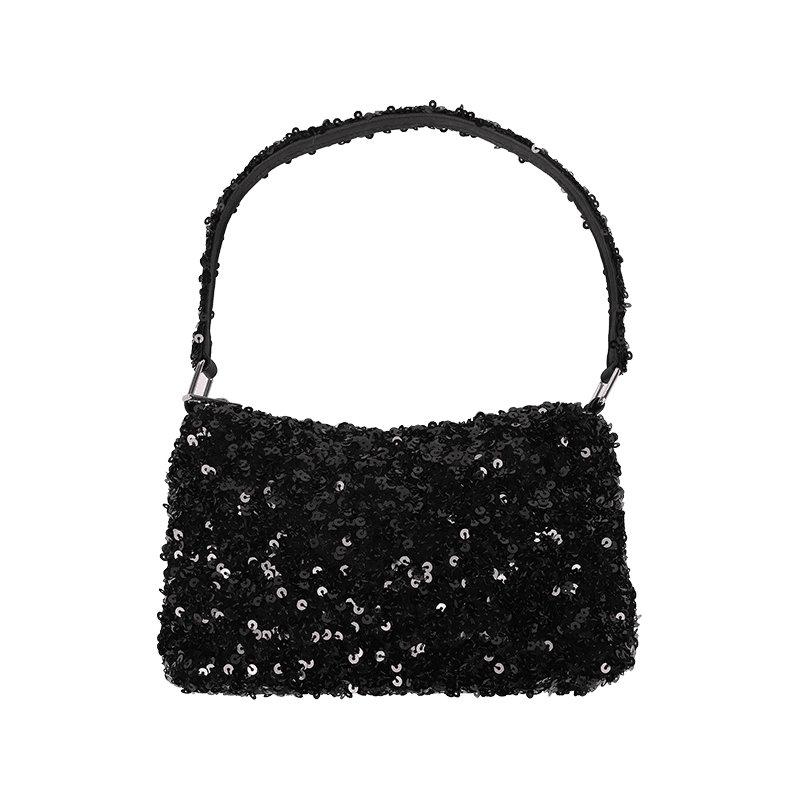
Mommy bag serves as a practical carry-all for parents managing baby supplies during daily outings. Manufacturers produce these bags in various styles and sizes for distribution to retailers and online sellers. Procurement teams source them to round out family and travel product categories in stores.
Position in Baby Product Supply
The baby gear market includes many accessory items like mommy bags that pair with strollers, car seats, and clothing lines. Wholesalers carry these bags because they appeal to new parents setting up nurseries or preparing for travel. The bags come in designs that organize bottles, diapers, and clothes in separate sections.
Buyers look for durable construction and functional layouts that support repeated use. This helps retailers offer items that match customer expectations for everyday reliability.
Common Design Elements
Mommy bag typically features multiple compartments, insulated pockets for bottles, and changing pads that fold inside. Handles and shoulder straps allow different carrying methods. Materials range from lightweight fabrics to heavier canvas styles depending on the target use.
- Exterior pockets for quick access
- Interior dividers for organization
- Detachable sections for flexibility
These details make the bags useful for short trips or full-day activities. Suppliers adjust features based on feedback from retail partners.
Manufacturing and Customization
Factories produce mommy bag through sewing lines that handle fabric cutting, assembly, and hardware attachment. Many offer private label services where retailers add their branding. Production runs accommodate different color options and material combinations to suit seasonal collections.
Procurement staff review samples for stitch quality and zipper operation. Consistent sizing across batches supports display planning in stores. Lead times vary with order volume and customization level.
Applications for Retail Channels
Retail buyers include mommy bag in sections with other baby care accessories. The bags work well as gift items or add-on purchases alongside larger gear. Online sellers appreciate designs that photograph clearly and ship flat or folded.
Distributors often group mommy bag with matching accessories such as changing mats or bottle holders. This creates coordinated sets that increase average order values for retailers.
Sourcing Considerations
Teams compare suppliers on fabric weight, hardware strength, and overall construction. Water-resistant coatings appear in many styles to handle spills. Color and pattern options help retailers refresh displays throughout the year.
Buyers request production timelines that align with peak shopping periods. Flexible minimum quantities allow smaller shops to test new designs without large commitments.
Trends in Product Ranges
Many mommy bag collections include neutral tones for broader appeal alongside brighter patterns for specific seasons. Convertible designs that shift from shoulder bag to backpack increase versatility. Suppliers track which configurations move faster in different retail formats.
Wholesale catalogs show a mix of basic and feature-rich versions. This variety lets stores cater to different parent preferences and budget levels.
Logistics and Packaging
Mommy bag ships in compressed form to save space in containers. Retail packaging includes clear windows or tags that highlight key features. Bulk orders often use sturdy cartons that protect hardware during transit.
Distributors manage inventory by style and color to respond quickly to reorders. Good turnover in this category supports steady shelf presence in baby sections.
Mommy bag continues to form a useful part of baby product assortments. Its organization features and carrying options make it a regular item for wholesalers and retailers serving family needs. Suppliers provide the range and reliability that procurement teams require for ongoing inventory planning.