0
0

 English
 Español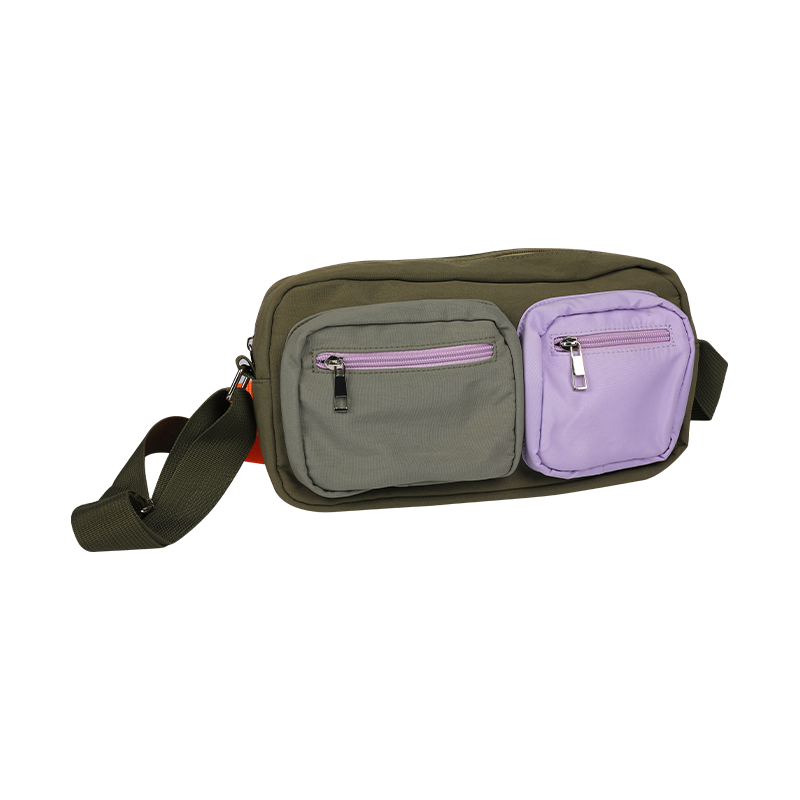
Waist bags have moved far beyond their earlier reputation as simple travel accessories. Today, they are used across urban commuting, outdoor activities, fitness routines, and short-distance travel. Designers and manufacturers are refining materials, storage layouts, and wearing styles to match changing consumer habits and practical needs.
Waist Bags Are Becoming Part of Everyday Carry Systems
A waist bag is a compact storage accessory worn around the waist or across the body. It is designed to carry small personal items such as phones, wallets, keys, and travel essentials.
In recent years, waist bags have become part of broader “everyday carry” setups. Many users prefer them because they offer quick access to items without needing a backpack or shoulder bag. This convenience has helped expand their use beyond travel into daily commuting and casual urban settings.
Modern waist bags often feature adjustable straps, allowing them to be worn around the waist, across the chest, or over the shoulder. This flexibility has contributed to their growing presence in fashion and utility markets.
Material Innovation Is Improving Durability and Comfort
Material selection plays a central role in waist bag performance. Manufacturers are focusing on fabrics that balance durability, weight, and weather resistance.
Common materials include:
- Nylon fabric for lightweight strength
- Polyester for general-purpose use
- Canvas for a more traditional appearance
- TPU-coated fabrics for water resistance
- Ripstop materials for tear resistance
Water-resistant coatings are becoming more common, especially in bags designed for outdoor or travel use. These coatings help protect contents from light rain or moisture exposure.
Zippers and buckles are also receiving design improvements. Smooth-glide zippers reduce resistance during frequent use, while reinforced buckles improve strap stability during movement.
Storage Layouts Are Becoming More Functional
Storage design has become a key focus in waist bag development. Instead of a single main compartment, many modern designs include multiple pockets and organizers.
This structured organization helps users separate items more efficiently. Phones, cards, and small accessories can be stored in designated spaces, reducing the need to search through a single compartment.
Some waist bags also include anti-theft features such as concealed zippers or body-facing pockets. These designs are commonly used in crowded travel environments or public transportation settings.
Urban Fashion and Function Are Blending Together
Waist bags are increasingly influenced by fashion trends. Earlier versions focused mainly on utility, but current designs often incorporate style elements suitable for everyday outfits.
Minimalist designs with neutral colors are commonly used in urban settings. Black, gray, beige, and olive tones remain widely seen due to their versatility across clothing styles.
At the same time, brighter color variations and pattern-based designs are used in sportswear and youth fashion markets. Branding elements, reflective strips, and logo placements are also part of design variation.
The shift toward cross-body wear has also changed how waist bags are styled. Instead of being worn strictly around the waist, many users now wear them diagonally across the chest for a more casual appearance.
Outdoor and Sports Applications Are Expanding
Waist bags are widely used in outdoor and fitness activities. Their compact size and lightweight structure make them suitable for running, cycling, hiking, and gym use.
In sports environments, waist bags allow users to carry essentials such as energy gels, hydration items, phones, and small tools without restricting movement. Adjustable straps help keep the bag stable during physical activity.
Some outdoor-oriented waist bags include reflective strips for visibility in low-light conditions. Others feature breathable back panels to reduce heat buildup during extended wear.
Hydration-compatible waist bags have also emerged in certain product lines. These designs include space for small water bottles or hydration packs, supporting short-distance outdoor activities.