0
0

 English
 Español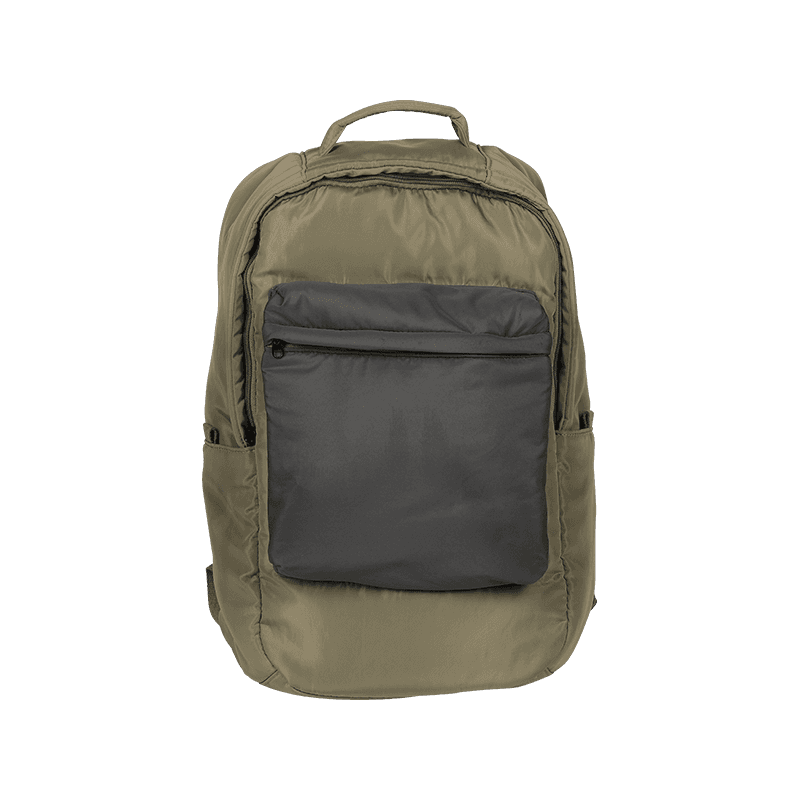
Walk through any campus, train station, or city sidewalk and you will notice the same quiet presence on many shoulders: a nylon backpack. The material itself feels light yet holds its shape, and the design stays simple enough that people rarely think twice about reaching for it each morning. It slips on, takes the weight of books, lunch, a laptop, or a change of clothes, and stays out of the way until the moment it is needed again.
The Material That Keeps Things Practical
Nylon has a long history in bags because it balances strength with low weight. The woven fabric stretches just enough to absorb bumps without tearing easily, and the surface sheds light moisture so contents stay drier during a sudden shower. Manufacturers often coat the exterior or use tightly woven threads that resist abrasion from desks, bus seats, or the rough edge of a sidewalk. Inside, the same fabric forms pockets and linings that wipe clean with a damp cloth.
The result is a bag that does not demand constant attention. Zippers slide smoothly after months of use, seams hold under ordinary loads, and the overall structure keeps its form even when the pack sits empty against a wall.
Scenes Where the Bag Shows Up
Students fill nylon backpacks with notebooks, tablets, and water bottles before heading to class. Commuters slide a folded jacket into the main compartment and clip a transit pass to an exterior loop. Weekend travelers use the same style of bag for short trips, packing a spare shirt and a few toiletries without needing a larger suitcase. In each case the bag stays close to the body, leaving hands free for keys, a phone, or a coffee cup.
The padded shoulder straps spread the load across both sides, and a simple chest strap or waist belt on some models keeps the pack from shifting during a brisk walk. Mesh side pockets hold a bottle upright, while a front organizer panel keeps pens, chargers, and small items from sinking to the bottom.
Design Details That Shape Daily Use
Zipper placement matters more than it first appears. A full-length main zipper opens wide so users can see everything at once, while smaller secondary zippers create quick-access pockets for items needed several times a day. Some packs add a rear laptop sleeve that sits against the wearer’s back, protected by the rest of the load. Others include a hidden pocket against the back panel for a wallet or passport.
Buckles and adjustment straps let the bag sit higher or lower on the torso. A person with a shorter frame can cinch the straps tighter; someone taller can lengthen them for better balance. The fabric itself often comes in muted tones or solid colors that match a range of clothing, so the pack blends into both casual and more formal settings.
Carrying Habits That Develop Over Time
After a few weeks the user learns which pocket holds the keys and which one keeps the phone from sliding around. Weight distribution becomes instinctive: heavier items go closer to the back, lighter ones fill the outer layers. The nylon surface picks up a few scuffs, yet those marks rarely affect function. The bag simply continues its routine of being filled in the morning and emptied in the evening.
In group settings the nylon backpack rarely draws comment. It is common enough that it disappears into the background while still performing its quiet job of moving belongings from one place to another. That reliability is what keeps it hanging by the door, ready for the next day.