0
0

 English
 Español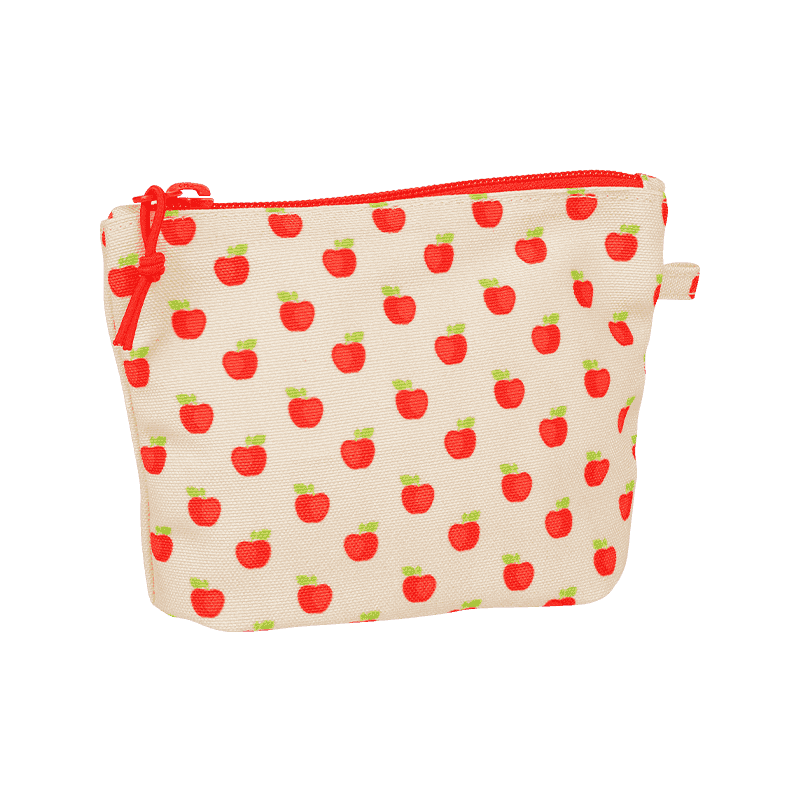
Production facilities dedicated to soft packaging convert rolls of fabric, vinyl, and coated materials into finished pouches. Cosmetic bags emerge from sequences of cutting, sealing, and assembly that create durable containers for beauty items. The process focuses on consistent dimensions, secure closures, and practical internal layouts that meet the needs of brand packaging lines.
Material Selection and Preparation
Common substrates include PVC film, PU-coated fabric, nylon, and polyester blends. These materials arrive in large rolls that feed into automated cutting stations. Precision blades or laser systems portion the sheets according to programmed patterns, producing front panels, back panels, side gussets, and pocket pieces in matched sets.
Edge treatments prepare the cut pieces for joining. Some materials receive heat-activated coatings that later bond under pressure, while others move directly to sewing stations. Clear vinyl sections often form windows that allow visual checks of contents without opening the bag. The selection of material thickness balances flexibility with enough rigidity to hold shape during filling and transport.
Forming and Joining Methods
Two primary methods dominate production. Heat-sealing machines clamp material edges between heated bars, fusing layers into waterproof seams in seconds. This approach suits fully vinyl or laminated constructions and creates smooth, clean joints. Sewing lines handle fabric-based designs, using industrial machines to stitch zippers, binding tape, and reinforcing strips along high-stress areas.
Zippers feed from continuous rolls and attach in one pass. Slider insertion and end-stop placement complete the closure system. Some Cosmetic bags incorporate dual zippers or dual-compartment layouts that separate different product types. Gusseted bases expand the internal volume while allowing the empty bag to fold flat for storage.
Printing and Surface Details
Surface decoration occurs either before or after assembly. Screen printing or digital methods apply logos, color blocks, and instructional text directly onto panels. Heat-transfer films create durable markings that resist abrasion. Embossing or debossing adds subtle texture to solid-color areas, improving grip without altering the overall profile.
Interior organization features include elastic loops, mesh pockets, and fixed dividers. These elements sew or weld into place during intermediate steps so they remain securely positioned once the bag closes. The design prioritizes quick access and stable product placement during movement.
Quality Checks and Output Handling
Dimensional gauges and visual stations verify zipper function, seam integrity, and print registration. Random samples undergo simple stress tests to confirm that closures open and close repeatedly without failure. Accepted units move to packing tables where they stack into cartons sized for efficient shipping to filling facilities.
Cosmetic bags leave the plant in bulk quantities ready for integration into beauty product lines. Brands later insert bottles, tubes, and compacts according to their own packing specifications. The consistent sizing and reliable construction support automated or manual filling operations downstream.
Variety Across Product Ranges
Different constructions serve distinct packaging roles. Soft-sided zippered pouches suit travel kits and promotional sets. Rigid-bottom designs with structured sides hold heavier items in place. Transparent versions facilitate inventory checks in retail back rooms or warehouse settings. Each variation follows the same core sequence of material preparation, forming, and finishing, adjusted only in tooling and settings.
Throughout the production day the equipment maintains steady output. Roll changes, pattern switches, and routine cleaning intervals keep the lines running with minimal interruption. The combination of material control, precise joining, and functional detailing produces Cosmetic bags that integrate smoothly into larger packaging workflows for beauty and personal-care items.