0
0

 English
 Español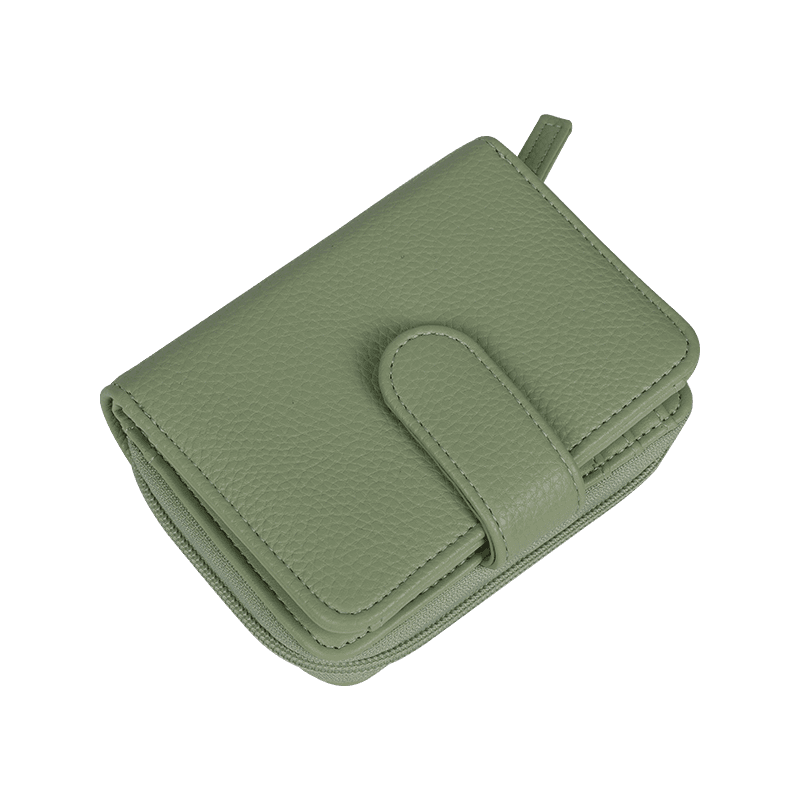
The Travel Wallet and the Rhythm of Modern Travel
The travel wallet has emerged as a small but significant accessory in contemporary travel routines. In an era where movement often involves multiple documents, currencies, and digital tools, travelers seek ways to stay organized. The travel wallet addresses this need by bringing essential items into one compact, accessible place. Its growing presence reflects how organization has become central to travel confidence.
Travel environments often demand quick transitions. Boarding passes, identification, payment cards, and tickets may be needed in rapid succession. A travel wallet supports these moments by reducing confusion and helping travelers maintain focus. This practical role has made it a common sight in airports, train stations, and border checkpoints.
Organization and Accessibility in Motion
At its core, the travel wallet is designed for clarity. Dedicated sections for passports, cards, cash, and documents help travelers keep items visible and secure. This structure reduces the need to handle loose papers or search through larger bags. The result is a smoother interaction with travel systems that often move at a fast pace. Compact size ensures the wallet fits easily into larger bags or pockets, maintaining mobility without compromising order.
Accessibility is equally important. A travel wallet allows travelers to retrieve essentials without disrupting their surroundings. This ease supports efficiency in shared spaces, where speed and order matter. The wallet becomes a quiet facilitator of movement rather than a source of distraction.
Material Choices and Practical Design
Materials used in travel wallets are selected for durability and daily handling. Surfaces are designed to withstand frequent use, opening, and closing. Stitching and closures reflect the need for reliability during travel. These details support trust, allowing travelers to focus on their journey rather than their belongings. Premium fabrics, reinforced edges, and smooth zippers ensure longevity, while lightweight construction keeps the wallet easy to carry. Thoughtful lining and subtle textures enhance both tactile experience and visual appeal, making the wallet feel both practical and refined.
Design aesthetics tend toward simplicity. Neutral tones and slim profiles allow the travel wallet to blend into different travel settings. Rather than drawing attention, it supports a sense of preparedness. This understated presence aligns well with modern travel preferences.
Security and Peace of Mind
Security remains a key consideration for travel wallets. Organized compartments reduce the risk of misplacing important items. Keeping documents together allows travelers to maintain awareness of their essentials. This sense of control contributes to peace of mind, particularly in unfamiliar environments.
The travel wallet also shapes behavior before and after travel. Preparing documents becomes more intuitive when everything has a defined place, reducing last-minute stress. After arrival, quick access to identification and payment options helps travelers adjust smoothly to new surroundings.
The Travel Wallet in Contemporary Travel Culture
Over time, repeated use gives the travel wallet personal significance. Marks of use reflect journeys taken and routines established. The wallet becomes a familiar constant across changing locations, supporting continuity during movement. Its compact form encourages travelers to carry only what is necessary, fostering mindful organization and reducing the stress of constant transitions. Small details like secure compartments and accessible pockets enhance both efficiency and confidence during travel.
In modern travel culture, the travel wallet stands as a practical symbol of organization and readiness. It supports travelers across different journeys without unnecessary features. Simplicity and thoughtful structure allow the travel wallet to continue playing a meaningful role in how people move across the world.