0
0

 English
 Español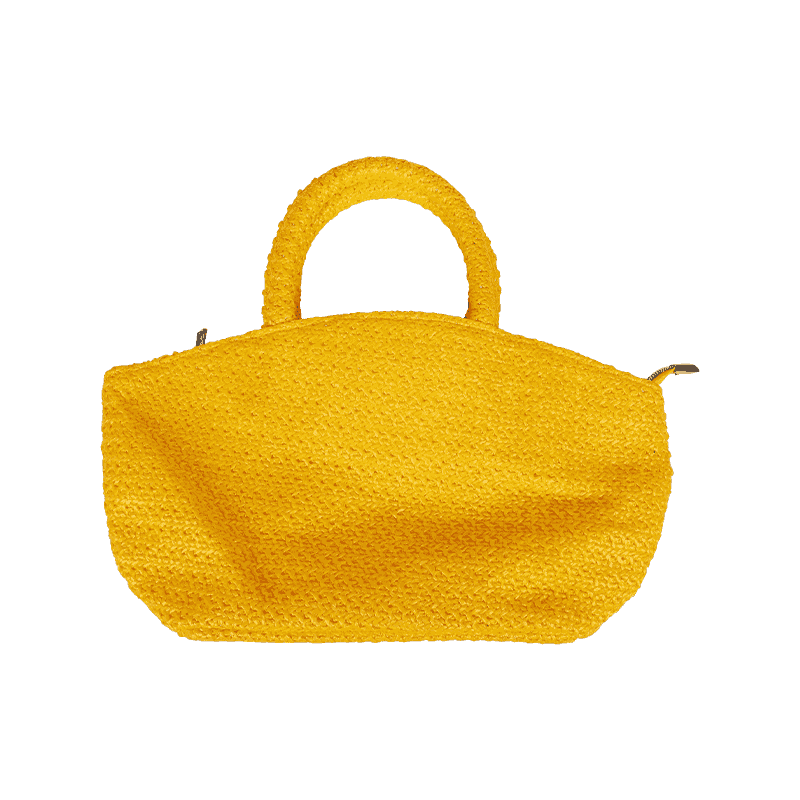
Everyday Routines Shape Handbag Choices
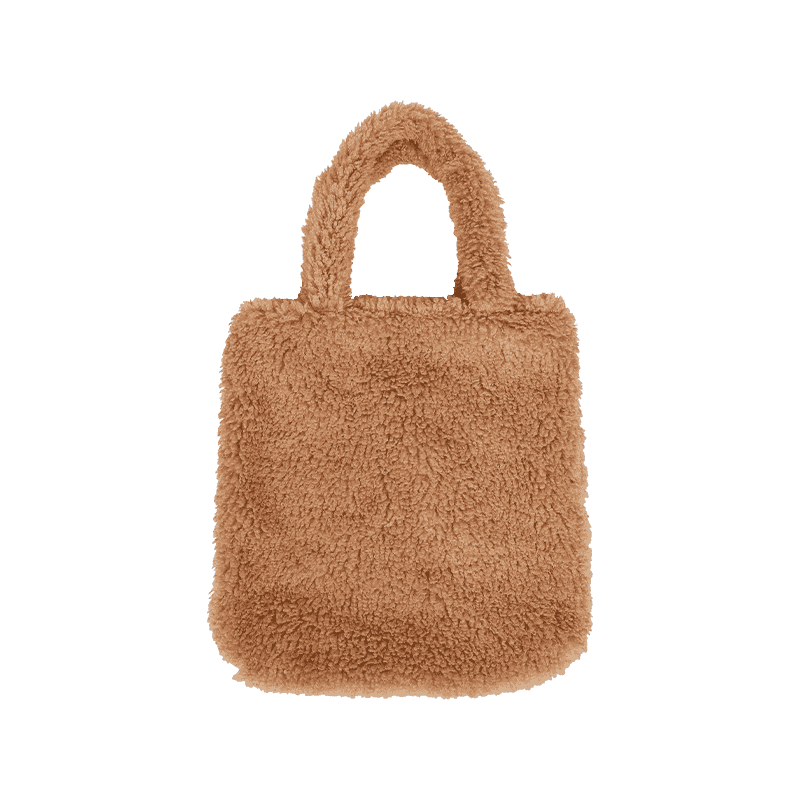
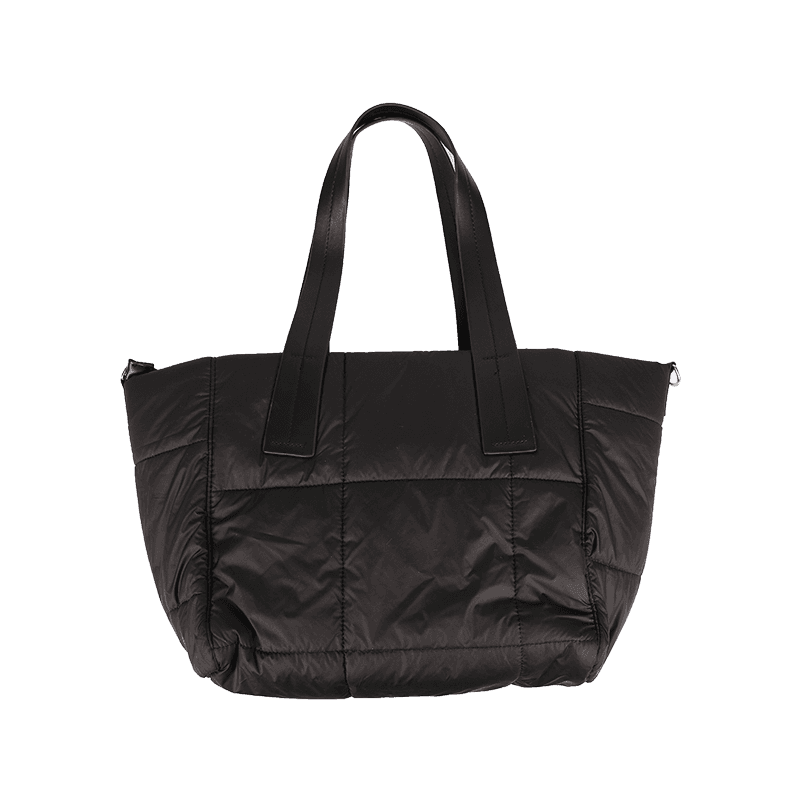
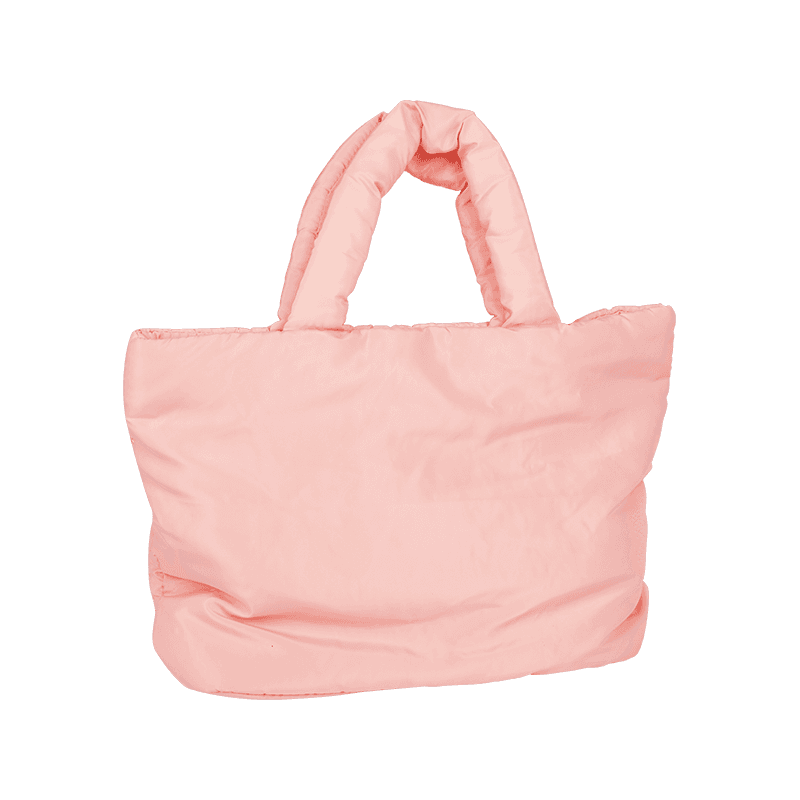
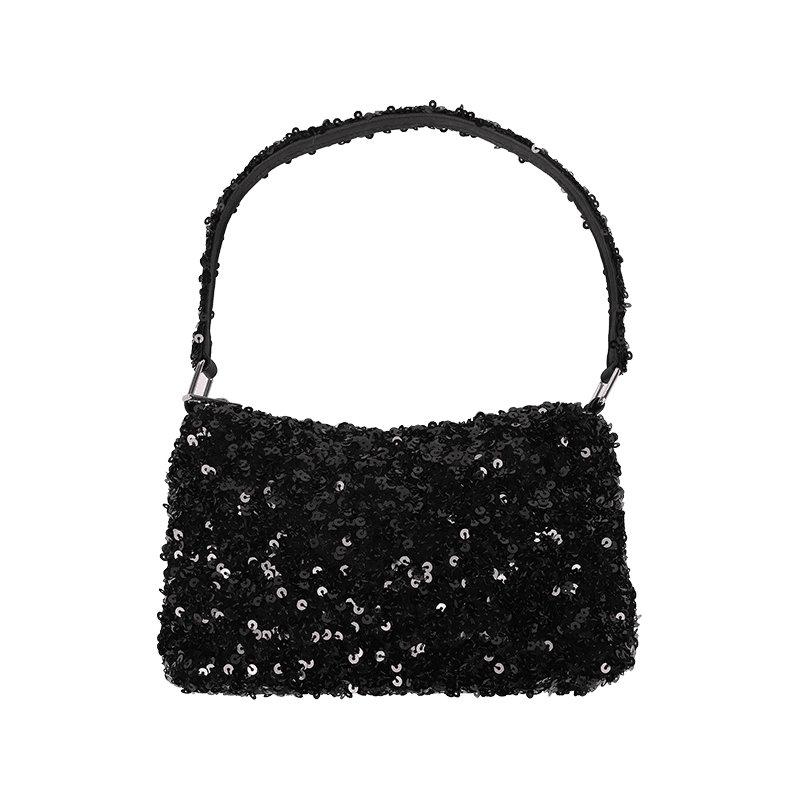
A handbag often carries more than personal belongings. It moves between work, shopping, travel, and social occasions, making its size, shape, and internal layout important parts of the design. Some people prefer a compact bag for a phone, wallet, and keys, while others need space for documents, cosmetics, a tablet, or other daily essentials.
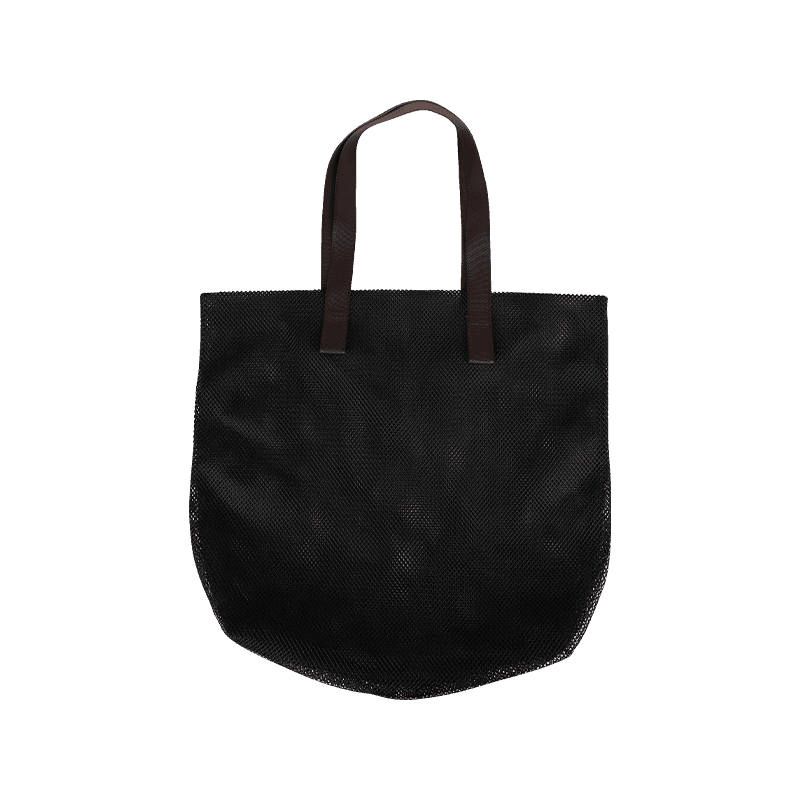
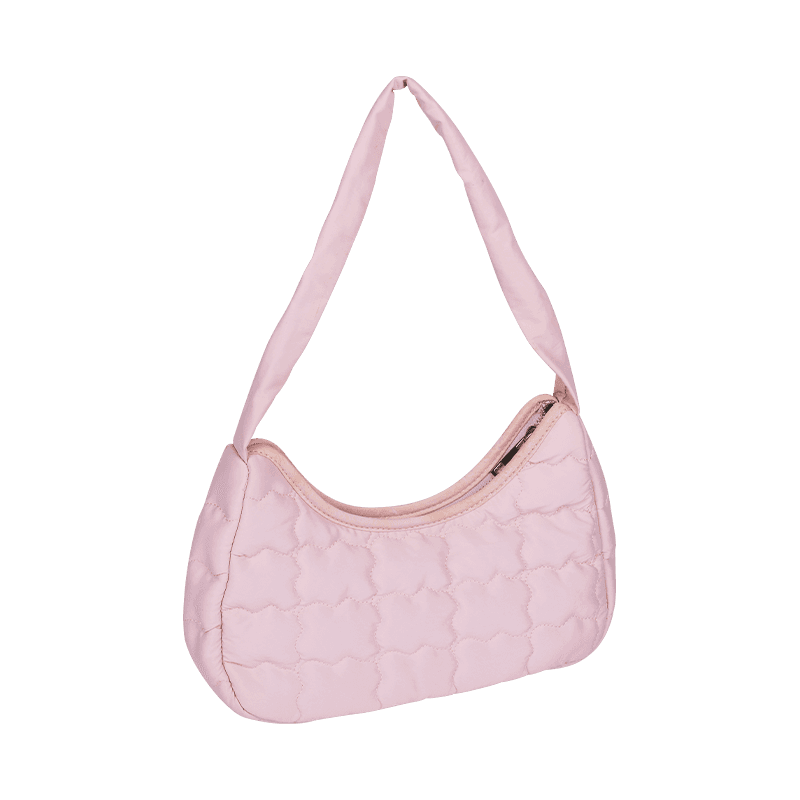
These different routines explain why the handbag market includes so many formats. Tote bags provide an open, spacious structure, while crossbody bags keep belongings close to the body and leave the hands free. Shoulder bags, satchels, clutches, and backpacks each serve different carrying preferences.
For retailers and wholesalers, understanding how customers use handbags can help shape a product range that offers practical choices alongside different styles.
Material Changes Texture and Appearance
Material selection affects how a handbag looks, feels, and performs during everyday use. Genuine leather is associated with a natural grain and distinctive surface character. Synthetic leather provides another option, with finishes that can resemble smooth leather, pebbled textures, or other surface patterns.
Canvas and woven textiles introduce a more casual appearance, while nylon is commonly used in lightweight, practical designs. Suede-like surfaces create a softer visual texture, and coated materials can provide a smoother finish.
The choice is not only about appearance. Material thickness, flexibility, lining, and reinforcement all influence the structure of the finished bag. Product descriptions should identify materials clearly so that buyers can compare different models without relying on photographs alone.
Compartments Make Storage More Practical
The inside of a handbag deserves as much attention as its exterior. A single large compartment can accommodate items of different shapes, but smaller pockets help separate belongings and make them easier to locate. Zipped sections may provide a place for items that users prefer to keep enclosed, while slip pockets offer quick access to frequently used essentials.
Some handbags include dedicated spaces for phones, cards, keys, or small electronic devices. Larger work bags may provide room for notebooks and documents, while compact evening bags keep the layout simple to reduce bulk.
The arrangement should match the intended capacity. Too many internal sections can reduce usable space, while too few may make the contents harder to organize. A clear interior layout gives buyers a better understanding of how the bag will function in everyday situations.
Handles and Straps Affect Carrying Comfort
Carrying options influence how a handbag fits into different routines. Short handles create a traditional hand-carry style, while longer shoulder straps allow the bag to rest against the side of the body. Adjustable crossbody straps offer flexibility for different heights and clothing combinations.
Hardware also contributes to the design. Buckles, rings, clasps, zippers, and strap attachments can serve functional purposes while adding visual detail. Their placement affects how the bag opens, closes, and distributes weight during use.
For product developers, handle drop, strap width, attachment position, and bag weight are useful details to consider together. A spacious bag may hold many items, but its carrying design still needs to suit the intended load and use.
Product Range Planning Starts with Clear Details
For handbag manufacturers, wholesalers, and retail distributors, product planning involves more than selecting attractive designs. Size, material, compartment layout, closure type, handle structure, and intended use all affect where a product fits within a collection.
When these details are presented clearly, buyers can compare products based on their actual requirements. Handbags bring together storage, carrying comfort, materials, and personal style, and each design makes a different combination of these elements. Understanding those differences helps businesses build product ranges that serve varied needs without making every bag look or function the same way.