0


 English
 Español

How Design Choices Shape Tote Bag Manufacturing
Custom tote bags have become a familiar product across retail, promotional campaigns, trade shows, and corporate events. Their simple structure allows manufacturers to adjust dimensions, materials, handles, colors, and printed graphics for different business requirements. For brands and wholesale suppliers, these bags provide a practical way to combine carrying functions with visual identity.
Producing custom tote bags involves more than adding a logo to a standard bag. Material selection, cutting accuracy, stitching methods, printing processes, and handle construction all affect the finished product. When these elements are planned together, manufacturers can develop bags that match specific usage scenarios and order requirements.
Material Selection Influences Bag Performance
The material used for custom tote bags affects their appearance, structure, weight, and intended application. Cotton, canvas, polyester, and non-woven fabric are common options, each offering different characteristics.
Cotton tote bags often have a natural fabric appearance and can suit boutiques, bookstores, gift shops, and lifestyle brands. Canvas provides a more structured feel for bags designed to carry books, merchandise, or everyday items. Polyester supports a range of colors and printed designs, while non-woven fabric is frequently used for promotional distribution and retail packaging.
Manufacturers generally consider several factors when selecting materials:
- Fabric weight and texture: These influence the bag's body, hand feel, and visual presentation.
- Intended carrying use: Product dimensions and expected contents help determine the required structure.
- Printing compatibility: Different fabrics interact differently with screen printing, heat transfer, and other decoration methods.
Choosing a suitable material at the beginning helps align the production process with the customer's design expectations.
Printing Methods Bring Brand Designs to Life
Printing is a central part of custom tote bags because the finished graphic often represents a company's visual identity. Simple logos, large illustrations, promotional messages, and multicolor patterns may require different printing approaches.
Screen printing is commonly used for designs with clearly defined colors and shapes. Heat transfer printing can accommodate detailed artwork, depending on the material and transfer method. Digital printing may suit designs containing gradients or multiple colors.
Artwork preparation also matters. Logo proportions, line thickness, color contrast, and placement can affect how a design appears on fabric. A graphic that looks clear on a computer screen may require adjustments before it produces a consistent result on a textile surface.
For bulk orders, manufacturers typically establish artwork specifications and confirm a sample before proceeding with full production. This helps both parties review the appearance and positioning of the printed design.
Bag Structure Determines Everyday Usability
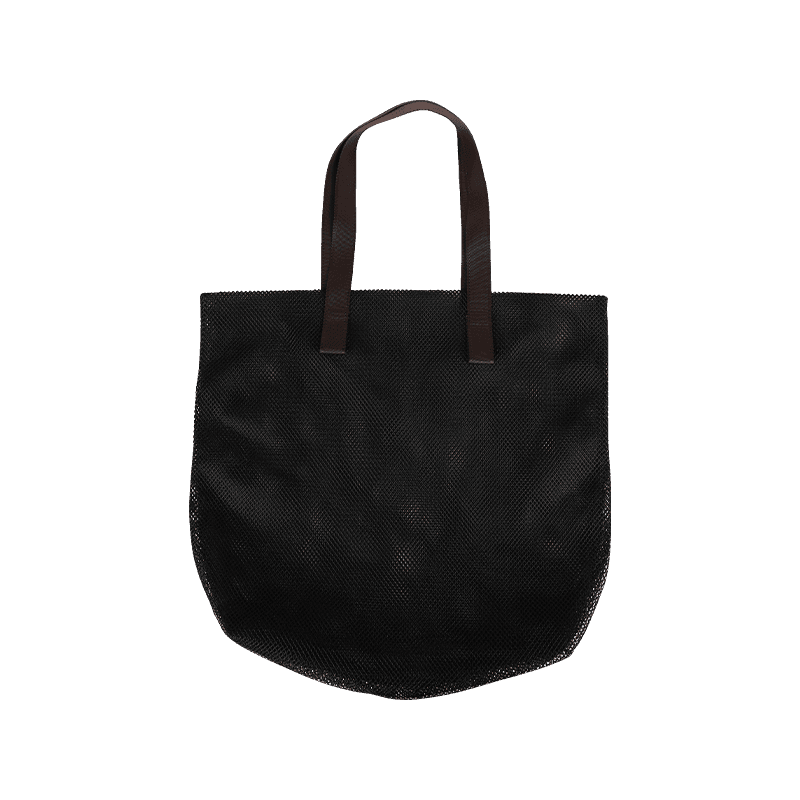
The structure of custom tote bags can be adjusted to suit different products and distribution channels. A flat tote with short handles may work for lightweight retail purchases, while a gusseted design provides additional depth for boxed products, clothing, or packaged gifts.
Handle length, seam placement, opening width, and bottom construction also influence how a bag is used. Long handles allow shoulder carrying, while shorter handles may suit hand carrying or compact promotional designs.
Common customization options include:
- Structural details: Flat bottoms, side gussets, reinforced seams, inner pockets, and different handle lengths.
- Visual details: Custom colors, woven labels, printed logos, contrasting handles, and customized packaging.
These choices allow custom tote bags to serve different purposes without requiring every customer to use the same standard design.