0
0

 English
 Español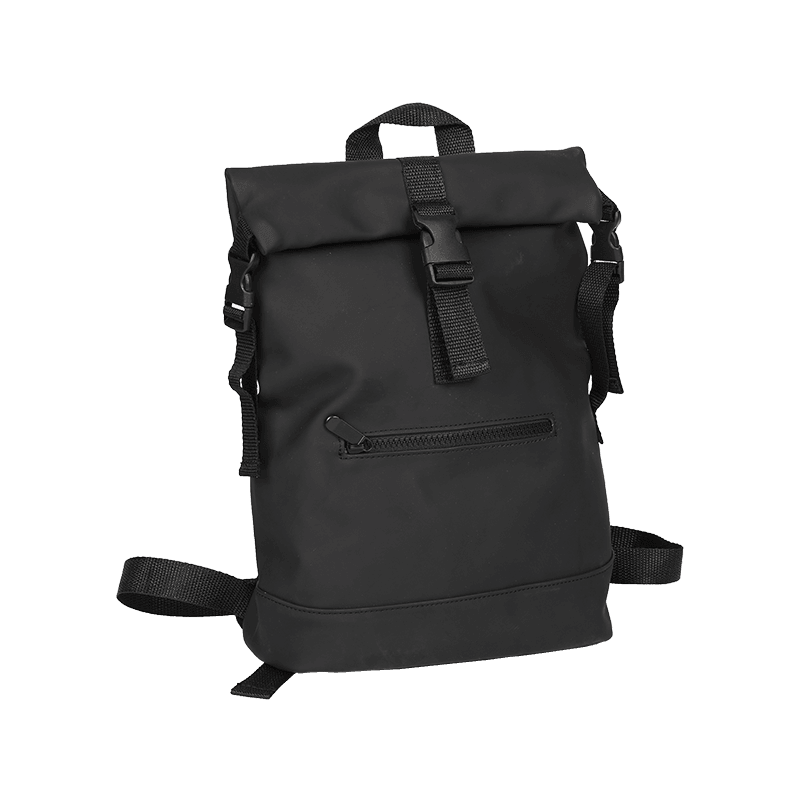
Custom backpacks have gradually become part of everyday life in a way that feels practical rather than decorative. Instead of being just another school or travel item, they are now shaped around specific needs, whether for students carrying books, office workers commuting with devices, or companies looking for something useful to represent their brand.
At the core, a custom backpack starts with a simple idea: allow the structure and appearance to be adjusted before production. This can involve choosing the outer fabric, deciding how many compartments are needed, or adding small design elements like logo placement or color accents. These choices may seem minor, but together they shape how the final product is used on a daily basis.
Materials are usually the first point of discussion. Polyester and nylon are common because they handle daily wear without adding too much weight. Canvas is sometimes selected when a more textured look is preferred. In some cases, waterproof coatings are applied, especially for users who expect to carry the backpack in changing weather conditions. Each material brings a slightly different feel once the backpack is in use.
The internal layout is another part that often gets attention during customization. Some people prefer a simple open space, while others need separated sections for laptops, chargers, notebooks, or travel items. Adding padded compartments has become more common, especially as more people carry electronics on a daily basis. These design choices are less about appearance and more about how the bag fits into real routines.
In production, custom backpacks usually go through a step-by-step process. Once the design is confirmed, fabric is cut into panels based on templates. These pieces are then stitched together using industrial sewing machines. Straps, zippers, and lining materials are added along the way. After assembly, the backpacks are checked for stitching alignment and overall structure before moving to the next stage.
Branding is often a key reason companies choose custom backpacks. A logo printed on a bag can travel through schools, offices, and public spaces, giving it repeated visibility over time. Printing methods vary depending on the design. Simple logos may be screen-printed, while more detailed artwork might use heat transfer techniques. Embroidery is sometimes chosen when a raised texture is preferred.
Comfort is not an afterthought in most designs. Adjustable straps and padded backs help reduce pressure when the backpack is carried for long periods. This becomes especially noticeable for students or commuters who rely on backpacks every day. Even small adjustments in strap width or back padding can change how the bag feels during extended use.
Before packaging, many manufacturers carry out basic checks. These include zipper testing, seam inspection, and load checks to make sure the structure holds under normal use. While these tests are straightforward, they help reduce issues once the backpacks reach users. For larger orders, consistency between units becomes an important focus.
Color choices also play a quiet but important role. Neutral tones like black, grey, or navy are often selected for general use, while brighter colors may be used for events or group identification. In production runs, keeping color consistency across batches is part of the quality control process, especially when backpacks are produced for a single organization.
Custom backpacks are now used in more settings than before. Schools use them for student programs, companies use them for promotions, and travel-related businesses include them in packages or campaigns. The same basic product can shift roles depending on how it is designed and presented.